Phu Quoc is now known around the world as Vietnam’s tropical paradise, attracting millions of visitors each year with its beaches, resorts, and island scenery. The island’s name has become familiar to travelers everywhere, appearing across tourism campaigns and international travel rankings.
Yet behind that well-known name lies a story that few people have ever heard. So where did the name “Phu Quoc” actually come from?
>>Previous post: The History of Phu Quoc Island – A Journey Through Important Milestones
The Formation of Phu Quoc and the Origin of Its Name
More than 300 years ago, in the middle of the vast Gulf of Thailand, a wild and remote island slowly became a stopping point for migrants searching for a new life. Khmer fishermen, Chinese merchants, and Vietnamese settlers traveling south all passed through these waters and left traces in the island’s history.
Over time, the name “Phu Quoc” gradually appeared as a way to describe a prosperous land in the middle of the sea — a place rich in seafood, covered with green forests, and located near once-busy maritime trading routes in the Gulf of Thailand.
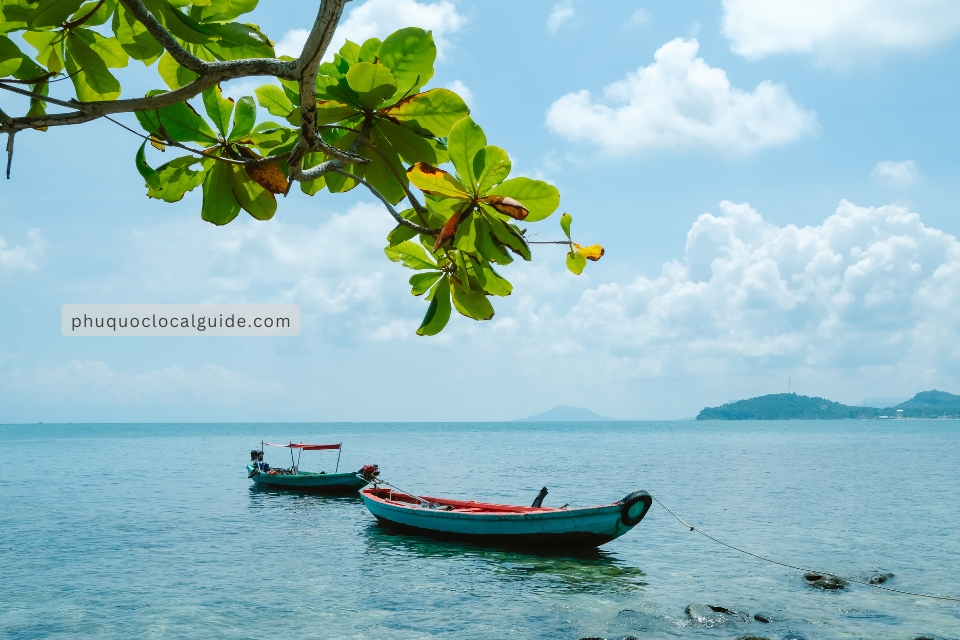
According to historical records, the name “Phu Quoc” was likely created by communities that settled on the island during the 17th century. The term comes from Sino-Vietnamese language and can literally be understood as “wealthy land” or “prosperous territory.”
>>Read more: Get to Know Phu Quoc Island, Vietnam
What Was Phu Quoc Called Before?
Before becoming known as Phu Quoc, the island had several different names used by neighboring communities.
Thai fishermen once referred to the island as “Koh-dud,” meaning “the distant island.” Meanwhile, Cambodian communities called it “Koh Tral” or “Koh Trol,” which is believed to describe an island shaped like a spindle.
On old Western maritime maps, the island sometimes appeared under names such as “Quadrole” or “Phu-kok,” which were phonetic adaptations of “Phu Quoc.”
These different names reflect the long history of cultural interaction in the southwestern sea region. Before Vietnamese settlers expanded strongly into the area, the Gulf of Thailand had long been home to Khmer communities, Chinese traders, and seafaring fishing groups from many different regions.
A Remote Island in the Gulf of Thailand
If we travel back to the 17th century, Phu Quoc was still a sparsely populated and largely untouched island.
Because of its location in the Gulf of Thailand, the island held an important position along Southeast Asia’s maritime trade routes. However, stable communities had not yet fully formed.
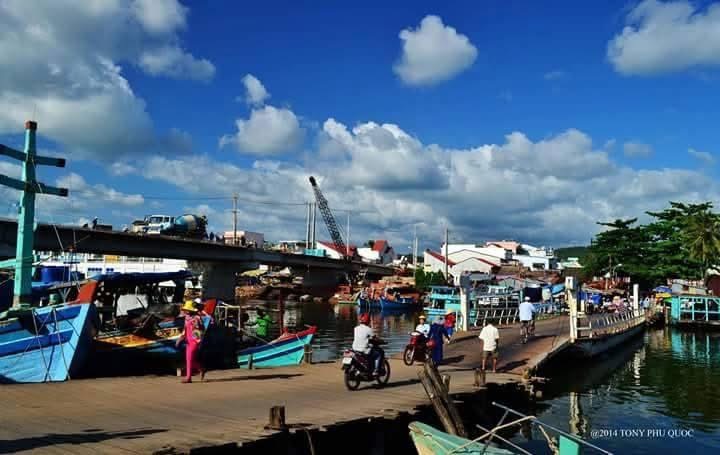
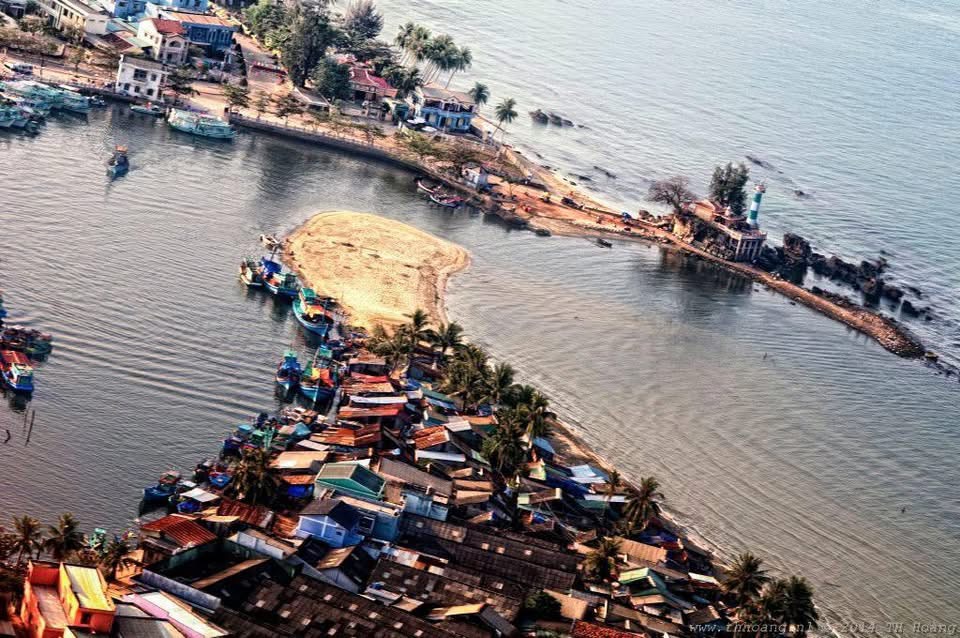
Most people living on the island at the time were:
- Khmer fishermen
- Seafaring migrants
- Small coastal communities surviving through fishing
The waters around the island were extremely rich in marine resources, while dense tropical forests covered most of the land. Perhaps it was exactly this natural abundance that gradually attracted migrants searching for new opportunities in the South.
When Did the Name “Phu Quoc” Begin to Appear?
Many researchers believe the name “Phu Quoc” became widely used between the late 17th century and early 18th century, during the period when Vietnamese and Chinese communities began settling and developing the Hà Tiên – Phu Quoc region.
This was also the period when the Mạc family expanded trading activities and land reclamation projects in the southwestern sea region.
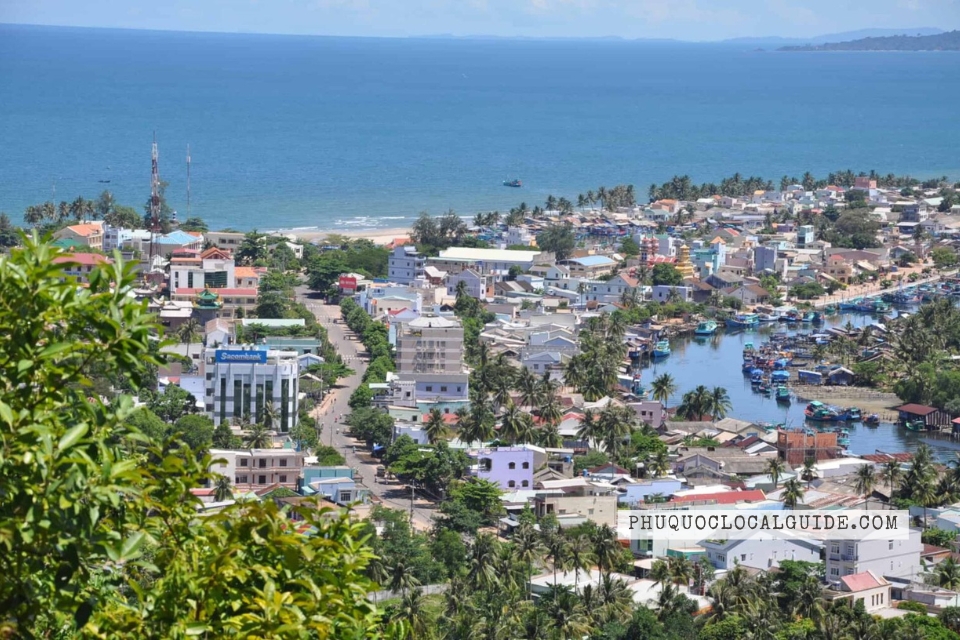
As Vietnamese settlers gradually established stable communities on the island, many old Khmer place names were slowly Vietnamized or replaced with names easier to pronounce in Vietnamese. The name “Phu Quoc” most likely developed naturally during this process.
Rather than appearing suddenly at one specific moment in history, the name probably became more common gradually over time.
Mạc Cửu and the Journey of Southern Exploration
Looking back into history, in 1671 a Chinese man named Mạc Cửu fled Fujian with his family and around 400 scholars after the political collapse of the Ming Dynasty. After many days at sea, the group arrived in the coastal region of what is now southwestern Vietnam.
By around 1680, Mạc Cửu had established settlements across several areas stretching from Cà Mau to Hà Tiên. At that time, Hà Tiên — then known as Căn Khẩu — quickly developed into an important trading port in the Gulf of Thailand.
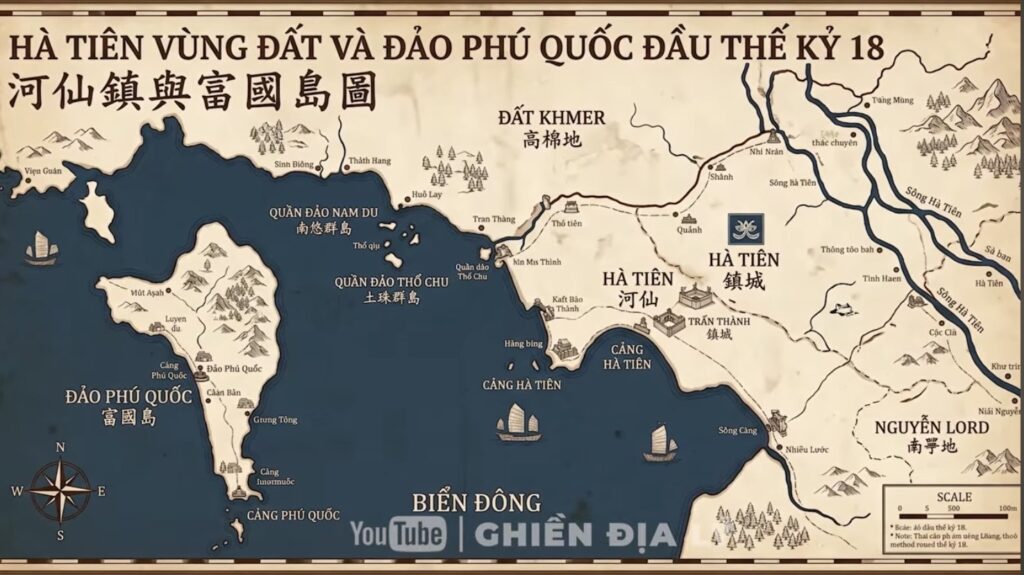
As news of the prosperous region spread, more Chinese migrants and Vietnamese settlers under the Nguyễn Lords gradually moved into the area.
From a remote and sparsely populated sea region, the area around Phu Quoc slowly became more active with:
- Fishing communities
- Maritime trade
- Port activities
- New settlements
It was likely during this period that the name “Phu Quoc” began carrying the meaning of a wealthy and promising land in the middle of the sea — almost like a “promised land” for people searching for a better future.
Did Mạc Cửu Name Phu Quoc?
This is a question often mentioned when discussing the island’s history.
Because Mạc Cửu played such an important role in developing the Hà Tiên – Phu Quoc region, some people believe he may have been the person who named the island. However, no official historical documents have definitively confirmed this theory.
Even so, the contribution of the Mạc family in shaping early communities and helping Phu Quoc develop into an important regional settlement is clearly recognized in historical records.
Did Emperor Gia Long Name the Island?
Another popular theory connects the name “Phu Quoc” to Nguyễn Ánh, who later became Emperor Gia Long.
According to local folklore, during the period when Nguyễn Ánh fled from the Tây Sơn forces and frequently operated in the southwestern sea region, he may have given the island its current name.
However, official Nguyễn Dynasty records do not provide clear evidence confirming that Emperor Gia Long directly named the island.
Still, the legends surrounding Nguyễn Ánh continue adding mystery and color to the history of Phu Quoc.
What Does “Phu Quoc” Mean?
The most common explanation is:
- “Phú” means wealthy or prosperous
- “Quốc” refers to a land, territory, or nation
Together, “Phu Quoc” can be understood as:
“a prosperous and abundant land.”
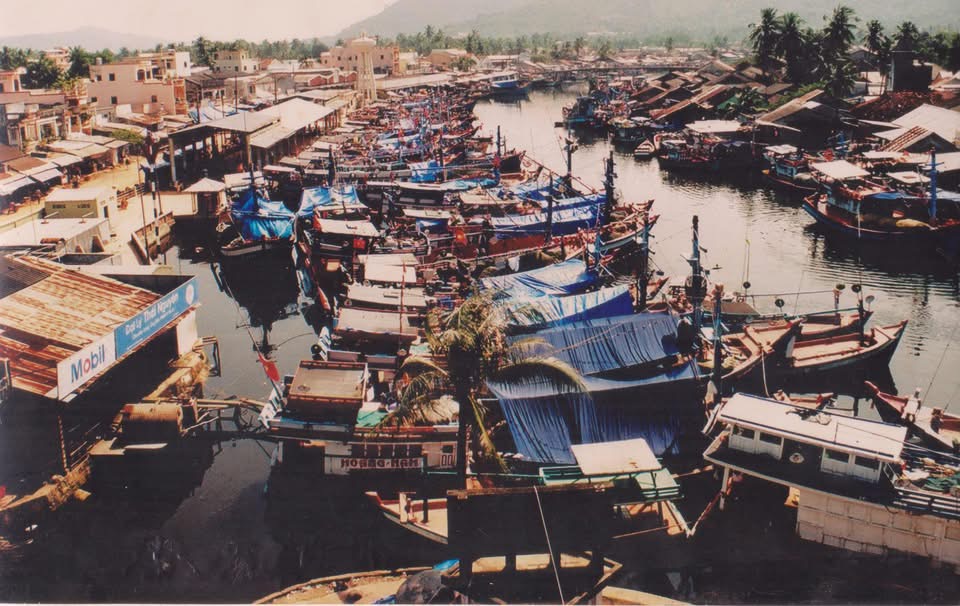
This style of naming was very common in old Vietnamese culture and was often used to describe:
- Natural abundance
- Economic potential
- Hopes for future prosperity
And honestly, if we look at Phu Quoc more than 300 years ago, the name made perfect sense.
The island possessed:
- Rich anchovy fishing grounds
- Abundant seafood
- Favorable maritime trading routes
- Vast forests
- Fertile land
All of these conditions made the island extremely attractive to migrants searching for opportunities in Southern Vietnam.
Perhaps that is why many people once viewed Phu Quoc as a kind of “promised land” in the middle of the sea.
From a Wild Island to a World-Famous Destination
One of the most fascinating things is that the island’s name also reflects its own transformation through history.
Older names remind people of a remote island connected to ancient Khmer maritime culture. Meanwhile, the name “Phu Quoc” reflects the image of a prosperous land gradually developing under Vietnamese expansion into the South.
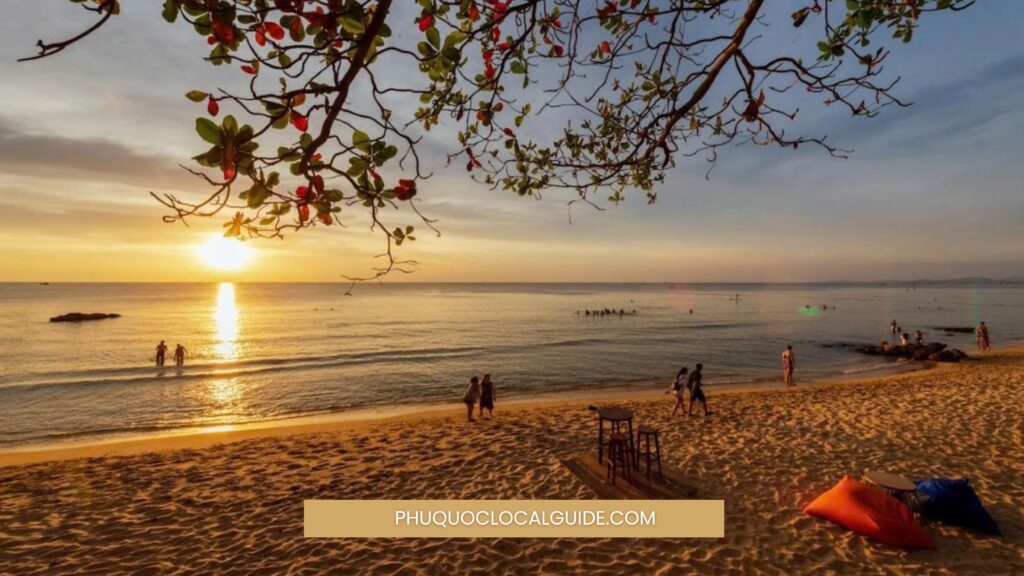
Today, “Phu Quoc” is no longer simply a geographic name on a map. It has become one of Vietnam’s most recognized tourism brands and frequently appears on lists of Asia’s most beautiful islands.
Yet behind the modern tourism image, the island’s name still carries traces of centuries of history, migration, culture, and the countless communities that once passed through these waters.
Every place name carries its own story.
And perhaps that is why, when people understand the origin of the name “Phu Quoc,” they begin seeing the island in a much deeper way — not only as a travel destination, but as a land shaped by hundreds of years of history and memories from the Gulf of Thailand.
More posts:
-
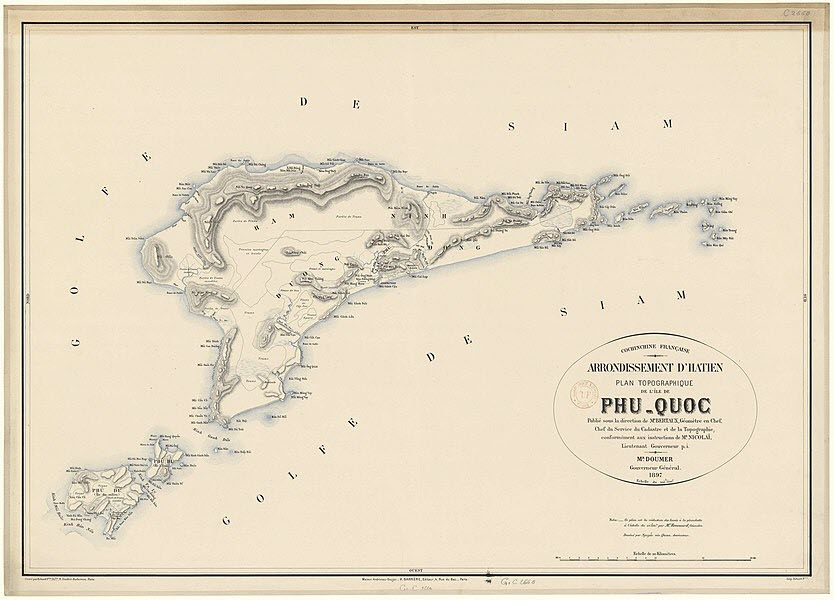
The History of Phu Quoc Island – A Journey Through Important Milestones
The history of Phu Quoc is far more fascinating than many people realize. Beyond its…
-
The Origin of the Name “Phu Quoc” – The Untold Story Behind Vietnam’s Pearl Island
Phu Quoc is now known around the world as Vietnam’s tropical paradise, attracting millions of…
-
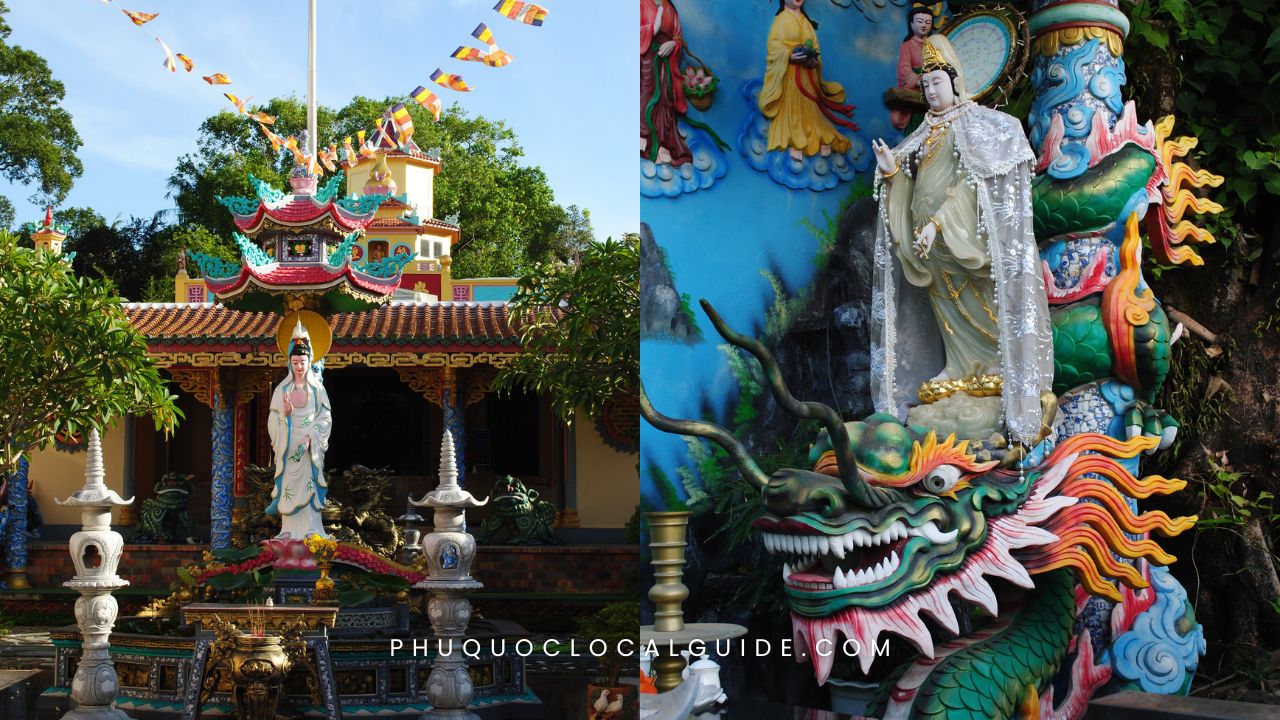
Hidden Legends of Phu Quoc Island
Today, Phu Quoc is celebrated as one of Vietnam’s most beautiful island destinations. Travelers come…

Leave a Reply