Today, Phu Quoc is celebrated as one of Vietnam’s most beautiful island destinations. Travelers come for its turquoise waters, white-sand beaches, and luxury resorts. Yet behind the island’s modern image lies another world—one filled with legends, folklore, and stories that have been passed down for generations.
Unlike official historical records, these tales survive through the memories of fishermen, village elders, and families who have lived on the island for decades. Some are rooted in real historical events, while others blend fact with myth. Together, they reveal the spiritual side of Phu Quoc and help explain why many locals believe the island has a soul.
>>Related post: The Sacred Folk Beliefs of Phu Quoc Fishermen
Giếng Tiên – The Sacred Freshwater Spring by the Sea
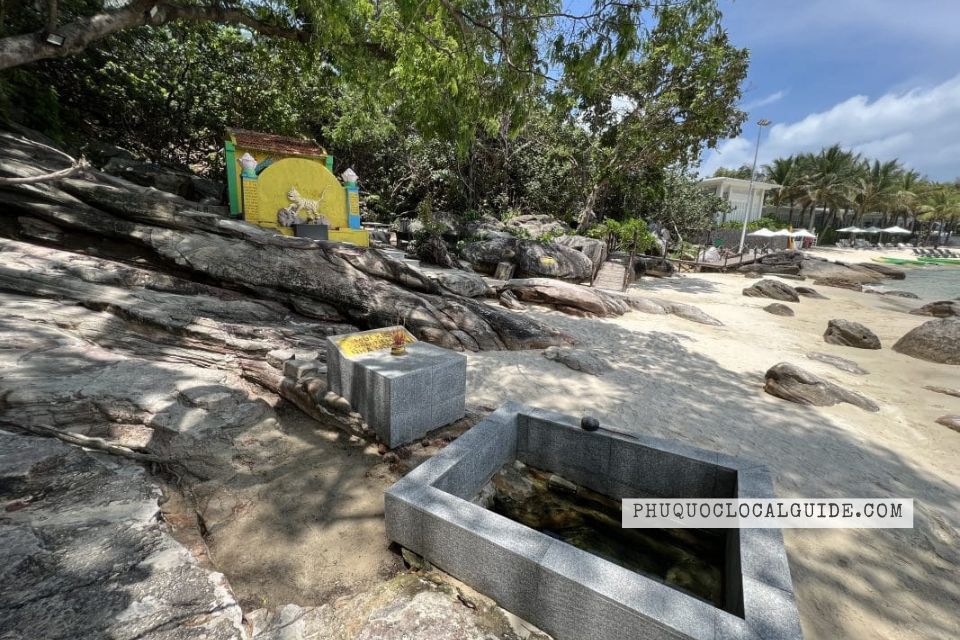
Among all the legends of Phu Quoc, none is better known than the story of Giếng Tiên (the Fairy Well), located in the An Thới area.
Today, Giếng Tiên is nothing more than a small freshwater spring emerging from a rocky crevice beside the sea. What makes it remarkable is that the spring has never run dry, despite being only a few meters from the saltwater coastline.
According to local legend, during the late 18th century, Nguyễn Ánh (the future Emperor Gia Long) fled to Phu Quoc while escaping the Tây Sơn army. When his fleet reached An Thới, supplies were nearly exhausted, and fresh water had become dangerously scarce.
Facing despair, Nguyễn Ánh is said to have thrust the tip of his sword into the rock and prayed:
“If Heaven truly intends for me to become king, please grant fresh water to save my men.”
Moments later, fresh water began flowing from the rocks. At the same time, a massive school of anchovies appeared offshore, providing enough food for the starving soldiers to survive.
Since then, local people have called this spring Giếng Tiên (Fairy Well). It is also known by two other names:
- Royal Well (Giếng Ngự)
- Gia Long Well (Giếng Gia Long)
Even today, many island residents believe the well’s water brings good fortune, good health, and blessings.
Mũi Ông Đội – The Cape Named After a Loyal General
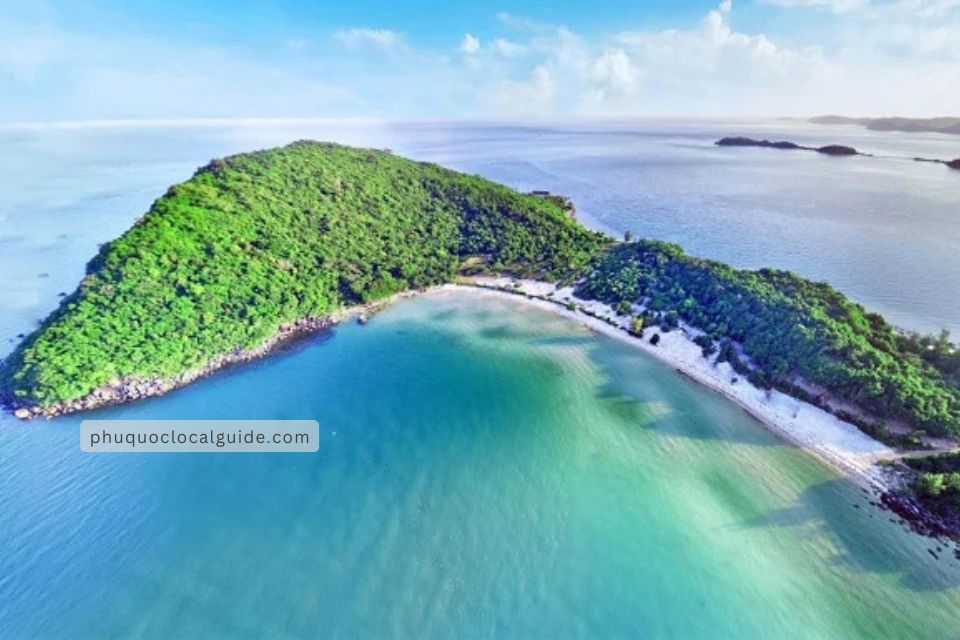
Not far from Giếng Tiên lies Mũi Ông Đội, another place connected with local folklore.
According to legend, while Nguyễn Ánh’s fleet struggled through rough seas, one of his loyal generals jumped into the water to free an anchor that had become trapped beneath the waves. His sacrifice allowed the royal boats to escape, but the general himself disappeared into the sea forever.
To honor his loyalty, local people named the cape Mũi Ông Đội, meaning “The Cape of the Commander.”
Although historians cannot fully verify the story, it continues to be passed down by generations of island families.
Dinh Cậu – The Shrine That Protects Fishermen
Anyone who has visited Dương Đông has probably watched the sunset from Dinh Cậu, one of Phu Quoc’s most recognizable landmarks.
Few visitors realize that the shrine is deeply connected to centuries-old beliefs among the island’s fishing communities.
Local tradition tells of the first settlers arriving on Phu Quoc during the 17th century. Many fishermen lost their lives at sea as violent storms frequently struck the island.
One day, during an especially fierce storm, a large rock formation guided several fishing boats safely back to shore. Believing that protective spirits lived within the rocks, the villagers built a small shrine on the cliff to pray for safe voyages.
Over time, that shrine became known as Dinh Cậu.
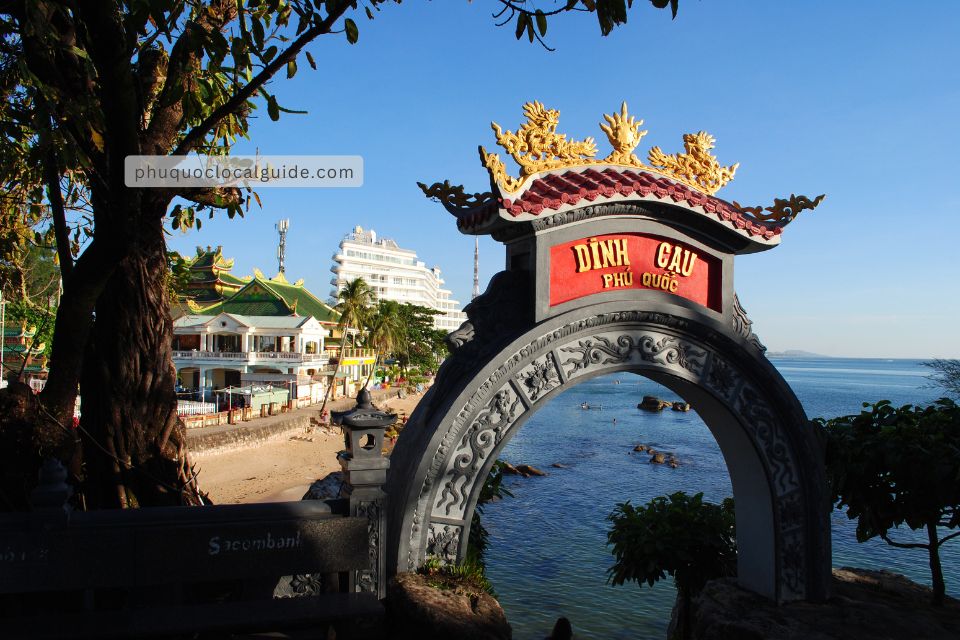
Even today, many fishermen continue the tradition of visiting Dinh Cậu before heading out to sea. They come to:
- Burn incense
- Pray for calm seas
- Ask for protection
- Wish for a successful fishing trip
For local islanders, Dinh Cậu is far more than a tourist attraction—it remains one of the most important spiritual symbols of Phu Quoc.
Lady Kim Giao – The Woman Who Helped Build the Island
Among the island’s many legends, the story of Lady Kim Giao is particularly unique because it combines historical elements with folklore. According to tradition, Lady Kim Giao was a noblewoman from the Khmer Kingdom who fled political unrest and eventually settled on Phu Quoc.
After arriving on the island, she is said to have:
- Cleared forests for farming
- Established settlements
- Raised buffalo
- Organized agricultural activities
Many local people believe that several old farming areas in northern Phu Quoc were first cultivated through her efforts. Place names such as Đồng Bà and Búng Dinh Bà are often associated with her legend.
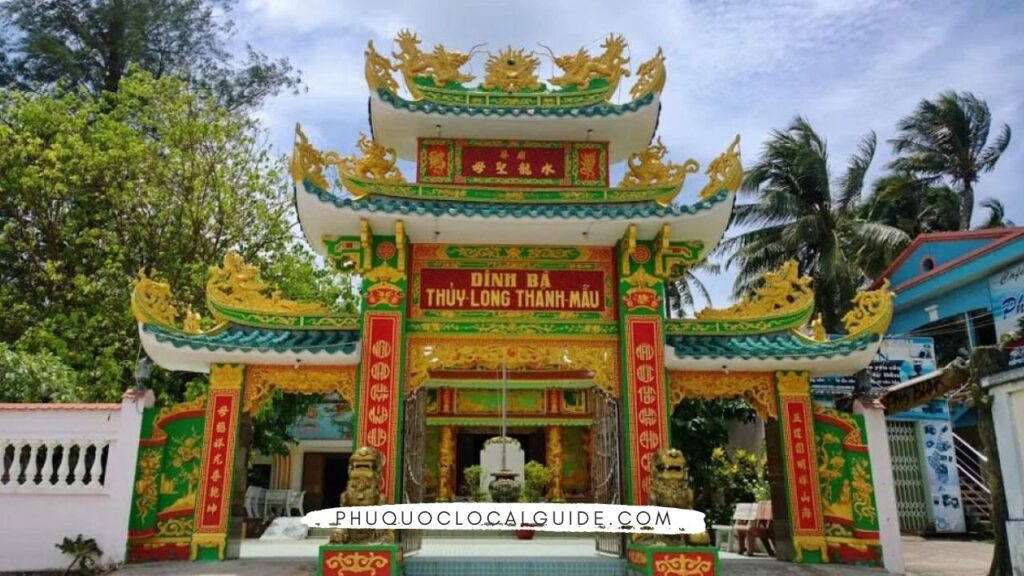
Today, Dinh Bà continues to honor her memory, and many island residents regard her as one of the early pioneers who helped shape Phu Quoc.
Ông Đạo Đụng – The Hermit of Hàm Ninh Mountain
This is one of the least-known legends among tourists but remains familiar to many longtime residents.
According to local folklore, an elderly hermit once lived inside a cave on Hàm Ninh Mountain. With long white hair and beard, he spent his life in solitude deep within the forest, rarely descending to the villages below.
People called him Ông Đạo Đụng.
Legend says he planted banana trees along forest trails so hungry travelers could eat freely during long journeys. He was also believed to possess extensive knowledge of medicinal plants and was said to have treated many illnesses among island residents.
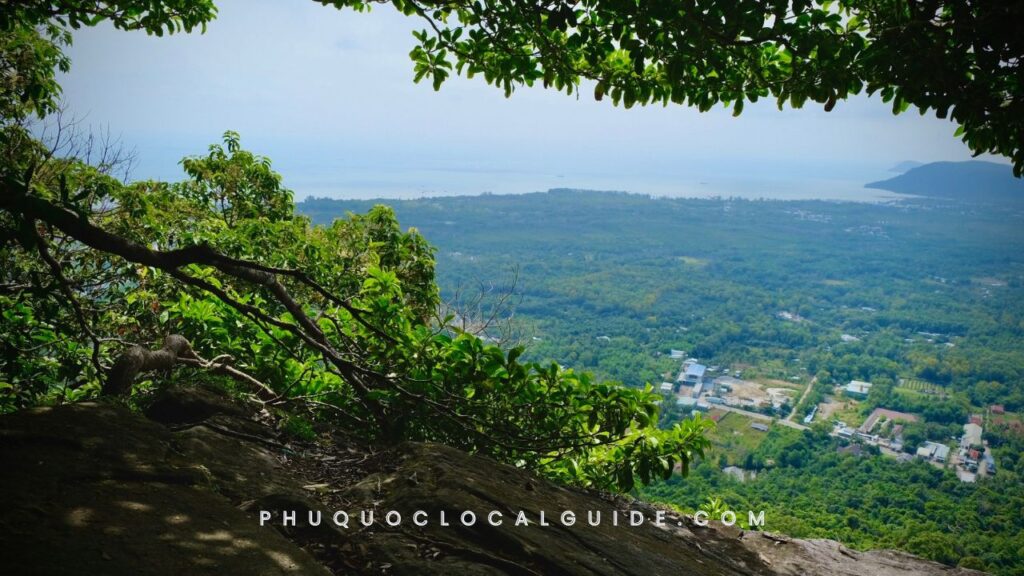
Even today, older generations still tell stories about Ông Đạo Đụng as one of the island’s most respected spiritual figures.
The Phu Quoc Ridgeback – The Legendary Hunting Dog
Not all of Phu Quoc’s legends are about people.
The island’s famous Phu Quoc Ridgeback has inspired countless stories throughout history. Local people once referred to these remarkable dogs as:
- The King of Dogs
- The Fire Wolf
Their reputation came from their intelligence, courage, and extraordinary hunting abilities. Island hunters often claimed that Phu Quoc Ridgebacks could:
- Hunt independently in the forest
- Swim effortlessly across the sea
- Find their way home from great distances
Some stories even describe the dogs rescuing their owners in the jungle or sensing danger long before humans became aware of it.
Whether entirely true or not, these tales have become an important part of the island’s cultural identity and help explain why the Phu Quoc Ridgeback is considered one of Vietnam’s most remarkable native dog breeds.
The Legends That Give Phu Quoc Its Soul
One thing connects almost every legend on Phu Quoc.
They all revolve around four themes:
- The sea
- Fishermen’s spiritual beliefs
- The island’s early pioneers
- The struggle to survive on a remote tropical island
These stories may not always be historically verifiable, but they reveal something equally valuable: how generations of islanders understood nature, respected the sea, and found hope through faith during uncertain times.
Perhaps that is what gives Phu Quoc its unique character today.
Beyond its beaches and luxury resorts, the Pearl Island preserves centuries of oral traditions that continue to shape its identity. For those willing to look beyond the tourist attractions, these legends offer a deeper connection to the people, history, and spirit of one of Vietnam’s most fascinating islands.
Blog
-
5 Sacred Places to Discover in Duong Dong, Phu Quoc
Most visitors know Duong Dong for its lively night market, seafood restaurants, and famous sunset…
-
Beyond the Night Market: 10 Things to Discover in Duong Dong
Mention Duong Dong to most travelers, and two places usually come to mind: Phu Quoc…
-
7 Best Places to Walk in Duong Dong, Phu Quoc
Phu Quoc is a large island, so most travelers depend on motorbikes, cars, and taxis.…

Leave a Reply