
When people talk about Phu Quoc today, they often picture luxury resorts, cable cars stretching across the sea, beach clubs, and five-star hotels.
But long before the island became one of Vietnam’s fastest-growing destinations, Phu Quoc was simply a quiet fishing island. Life revolved around the sea, pepper gardens, fish sauce barrels, and a handful of small villages connected by dusty laterite roads.
Much of that world has disappeared. Yet if there’s one place where traces of old Phu Quoc still quietly survive, it is Duong Dong. Not because time stopped here. But because everyday life has continued in ways that many visitors never notice.
More Than a Tourist Town
For most travelers, Duong Dong is simply where they book a hotel, visit the night market, or catch a taxi. For local people, however, it has always been something much deeper.
This town has watched Phu Quoc grow from a remote island into an international destination. It has witnessed fishing families become business owners, dirt roads become busy avenues, and wooden houses give way to modern buildings.
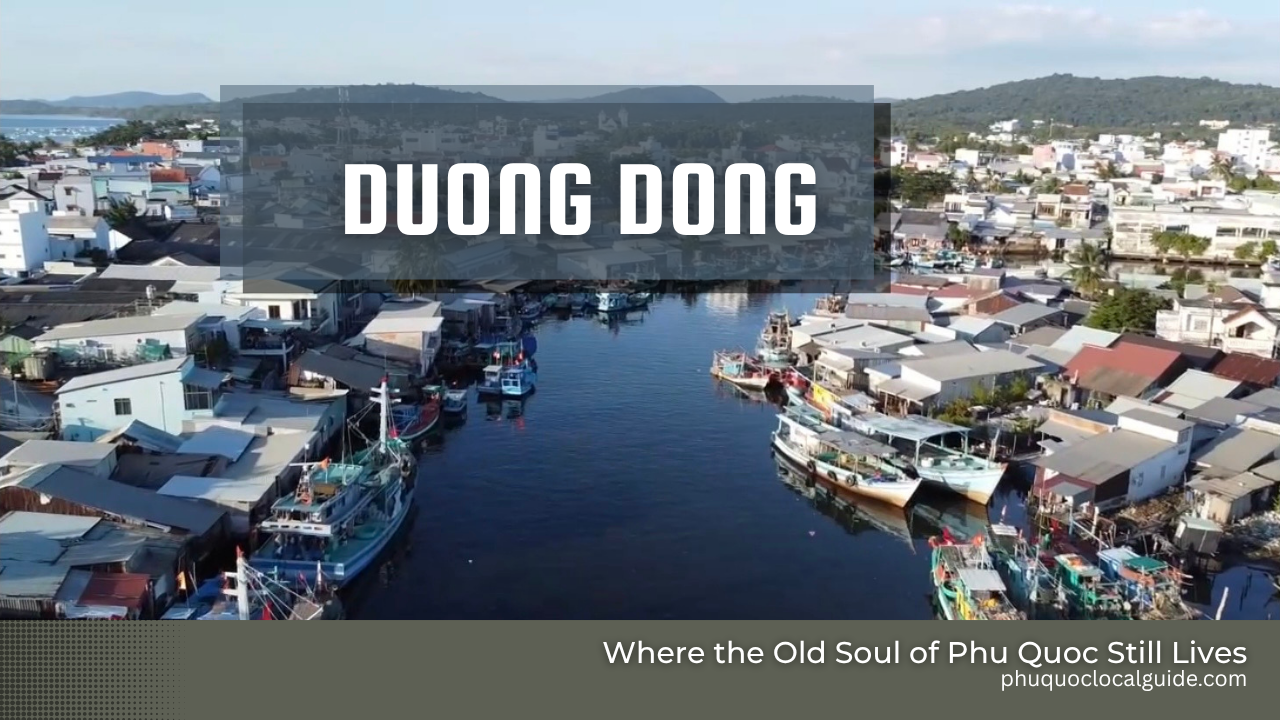
Yet beneath those visible changes, many of the town’s old rhythms remain surprisingly familiar. The fishermen still return before sunrise. The market still wakes earlier than anywhere else on the island. The river still carries boats toward the sea, just as it has for generations.
A Town Built Around a River
Long before modern highways and airports existed, the Duong Dong River shaped the island’s future.
Flowing from the forests of northern Phu Quoc to the Gulf of Thailand, it created one of the safest natural harbors on the island. Fishing boats found shelter here, merchants established small trading communities, and families settled along its banks. Over time, this riverside settlement became the busiest place on Phu Quoc.
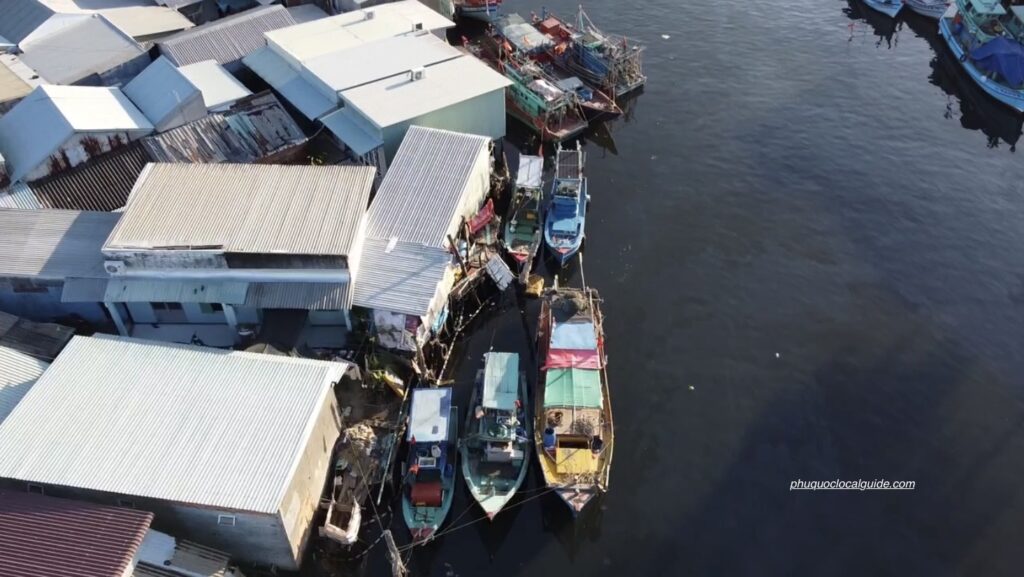
Fish sauce, dried seafood, black pepper, timber, and agricultural products were transported through this river before reaching larger ports such as Ha Tien and Rach Gia.
Even today, standing beside the river at sunset, it’s easy to imagine the countless wooden boats that once connected this isolated island to the mainland.
Layers of Memory Hidden in Ordinary Streets
One of the most fascinating things about Duong Dong is that history isn’t preserved behind museum walls. It’s woven into ordinary neighborhoods.
Walk away from the busiest roads and you’ll discover narrow alleys where families have lived for decades. Older shop houses still combine businesses downstairs with living spaces upstairs. Some homes retain faded wooden shutters, weathered roof tiles, and courtyards that have quietly aged alongside the island itself.
These aren’t famous landmarks. Most visitors walk past them without a second glance. But together they tell the story of how generations of islanders have lived, worked, and raised families here. Duong Dong doesn’t feel frozen in time. Instead, it feels like a place where the past and present naturally coexist.
Before Tourism Changed Everything
People who grew up on Phu Quoc during the 1980s or 1990s often describe a completely different island. There was no international airport. Large resorts hadn’t appeared. Many roads were still unpaved. Motorcycles were few, bicycles were common, and evenings became remarkably quiet once the sun disappeared. Children played outside until dinner. Neighbors knew one another by name.
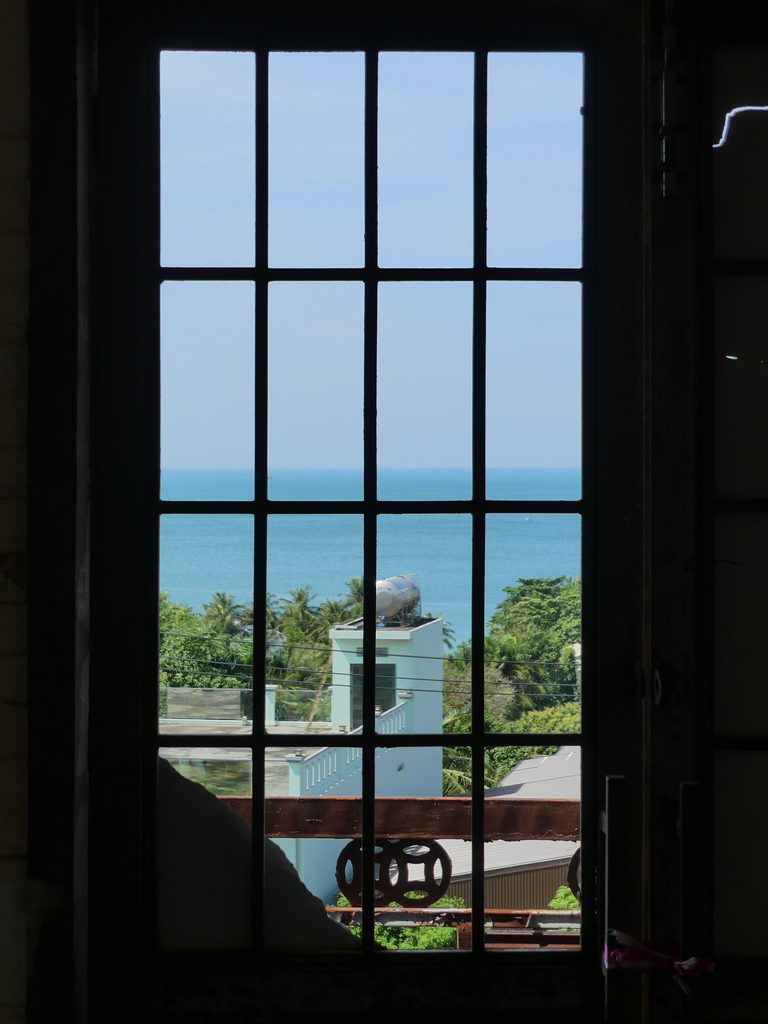
The town itself felt much smaller than it does today. Although those days are gone, older residents still carry vivid memories of a slower island where life moved according to fishing seasons rather than tourist arrivals.
The River That Never Lost Its Purpose
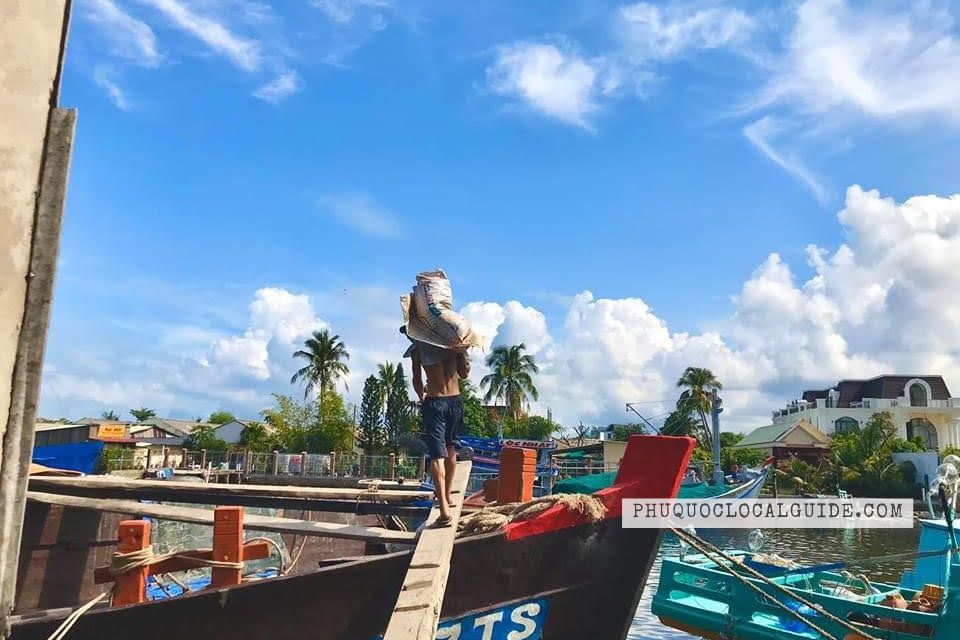
Many places change so dramatically that their original purpose disappears. The Duong Dong River is different. It remains connected to the fishing industry that helped build the town. Every afternoon, fishing boats gradually gather near the river mouth before preparing for another night at sea. At dawn, they return carrying fresh catches that will soon appear in markets and restaurants across the island.
This daily cycle has continued through decades of enormous change. Visitors often photograph the colorful boats because they look beautiful. Local people see something more. They see continuity.
Dinh Cau: A Symbol Before It Became an Attraction
Today, nearly every visitor stops at Dinh Cau to take photographs of the sunset. But long before social media existed, the rocky shrine already held deep meaning for island fishermen.
Before setting sail, crews would come here to burn incense and pray for calm seas, favorable winds, and a safe return home. That quiet tradition continues today.
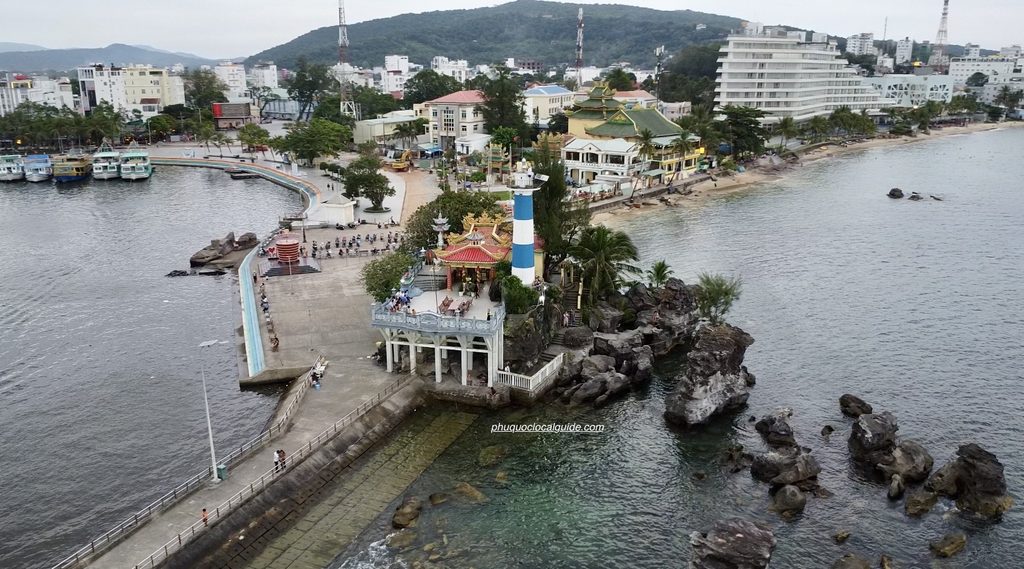
Dinh Cau isn’t simply one of Phu Quoc’s most photographed landmarks. It represents the close relationship between island life and the sea—a relationship that has shaped Duong Dong for centuries.
Streets That Have Grown With the Island
Some street names have become part of everyday conversation for generations. 30 Thang 4 Street remains one of the town’s busiest commercial roads. Tran Hung Dao gradually evolved into the island’s first major tourism corridor. Bach Dang continues to follow the waterfront where fishing activity has always concentrated. Nguyen Trung Truc links neighborhoods that have expanded together with the growing town. The buildings along these streets may look different today, but their role within Duong Dong has remained surprisingly consistent.
Restaurants That Carry Family Traditions
One of the easiest ways to experience old Duong Dong is through its food.
Hidden among newer cafés and restaurants are family businesses that have been cooking for decades. Many recipes have never been written down. Instead, they’ve been passed from parents to children, preserving flavors that locals have known since childhood. These aren’t necessarily the restaurants with the longest lines on Google Maps.
They’re the places where returning islanders stop for breakfast because the taste reminds them of home. For many families, these small eateries are as much a part of Duong Dong’s history as any building or monument.
Simple Moments That Reveal the Real Town
You don’t need an itinerary to appreciate Duong Dong. Sometimes the smallest moments leave the strongest memories. Wake up early enough to watch vendors prepare their stalls before sunrise. Listen to conversations between fishermen unloading the night’s catch. Order coffee at a neighborhood café where regular customers have been sitting at the same tables for years. Watch schoolchildren cycling home in the afternoon. Sit beside the river without checking your phone.
None of these experiences appear on lists of “must-see attractions.” Yet together they reveal the everyday character that makes Duong Dong unique.
Change Is Everywhere, Familiarity Remains
Over the past two decades, Phu Quoc has transformed at extraordinary speed. Luxury hotels now stand where coconut groves once grew. New roads have shortened journeys that once took hours.
Millions of visitors arrive each year. Duong Dong has naturally changed alongside the rest of the island. But if you arrive early enough in the morning—or stay long enough after most tourists leave—you’ll still notice scenes that have barely changed. Fishing boats drifting quietly beside the river. Morning coffee shared between old friends. The voices of market vendors greeting familiar customers. Local restaurants filling with workers before lunchtime. These ordinary moments continue to define the town far more than its newest buildings.
The Phu Quoc Many People Still Remember
Modern Phu Quoc offers more comfort, more entertainment, and more choices than ever before. But for many islanders, the most treasured memories belong to a quieter time. They remember empty roads lined with coconut trees. Wooden fishing boats resting beside the river.
Family businesses that knew every customer by name. An island where almost everyone recognized one another. Those memories haven’t completely disappeared. They still linger in Duong Dong.
Not in dramatic monuments or carefully restored historic districts, but in the rhythm of daily life that has continued through every stage of the island’s transformation.
If you hope to understand Phu Quoc beyond its beaches and resorts, spend a morning wandering through Duong Dong without rushing. History here isn’t something displayed behind glass. It’s still being lived.
Leave a Reply