Most people know Phu Quoc for its beaches. They remember the turquoise sea, luxury resorts, sunset bars, and cable cars stretching across the ocean. That is the Phu Quoc most visitors see today. But whenever someone asks me what the real Phu Quoc is, none of those places come to mind. Instead, I think of a small neighborhood by the Duong Dong River, where I was born and spent my childhood.
Every now and then, I ride my bicycle back through those narrow alleys. I no longer live there, and I rarely have a reason to visit. Sometimes I simply feel like wandering without a destination.
On one of those quiet afternoons, I brought my camera with me. I photographed old wooden houses, narrow lanes, weathered fishing boats, and workers carrying heavy sacks of salted anchovies onto boats waiting along the riverbank. When I looked at the photos later, I realized I wasn’t simply documenting a place. I was trying to preserve a world that is slowly disappearing.
Before the Beaches Became Valuable
Many people would be surprised to learn that the original communities of Phu Quoc did not settle along the beaches. They lived beside the rivers. For generations, rivers were the island’s lifeline. Fishing boats could shelter there during storms, goods were transported by water, and families built their homes where life felt safe.
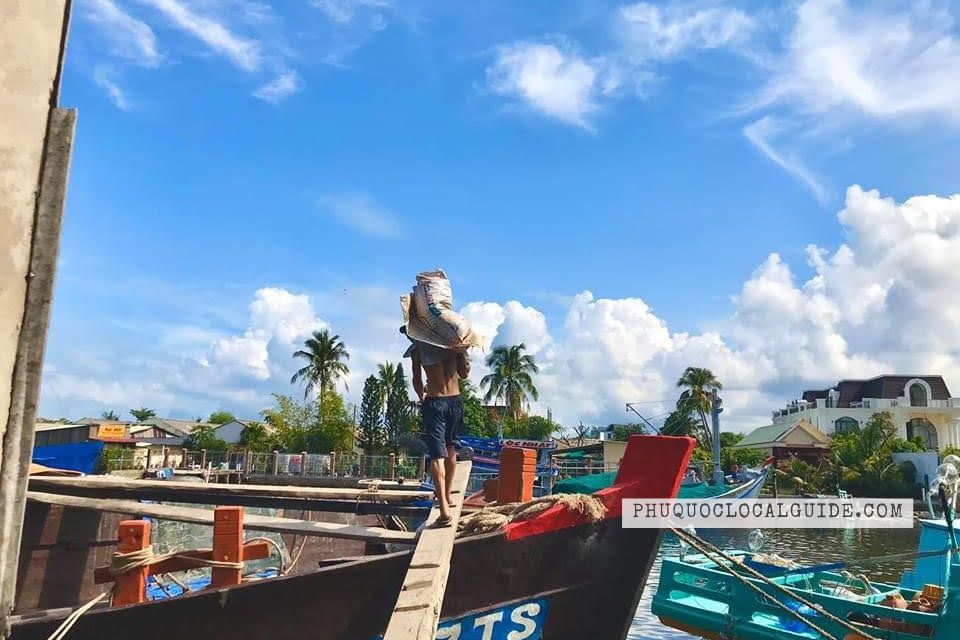
The open coastline was beautiful, but it was exposed to rough seas, strong winds, and unpredictable weather. Few people wanted to live there. Ironically, those quiet stretches of coastline that no one wanted decades ago have become some of the most expensive land on the island today. Luxury resorts now stand where fishermen once avoided building their homes. The island has changed dramatically in just one generation.
When Fish Sauce Was Everywhere
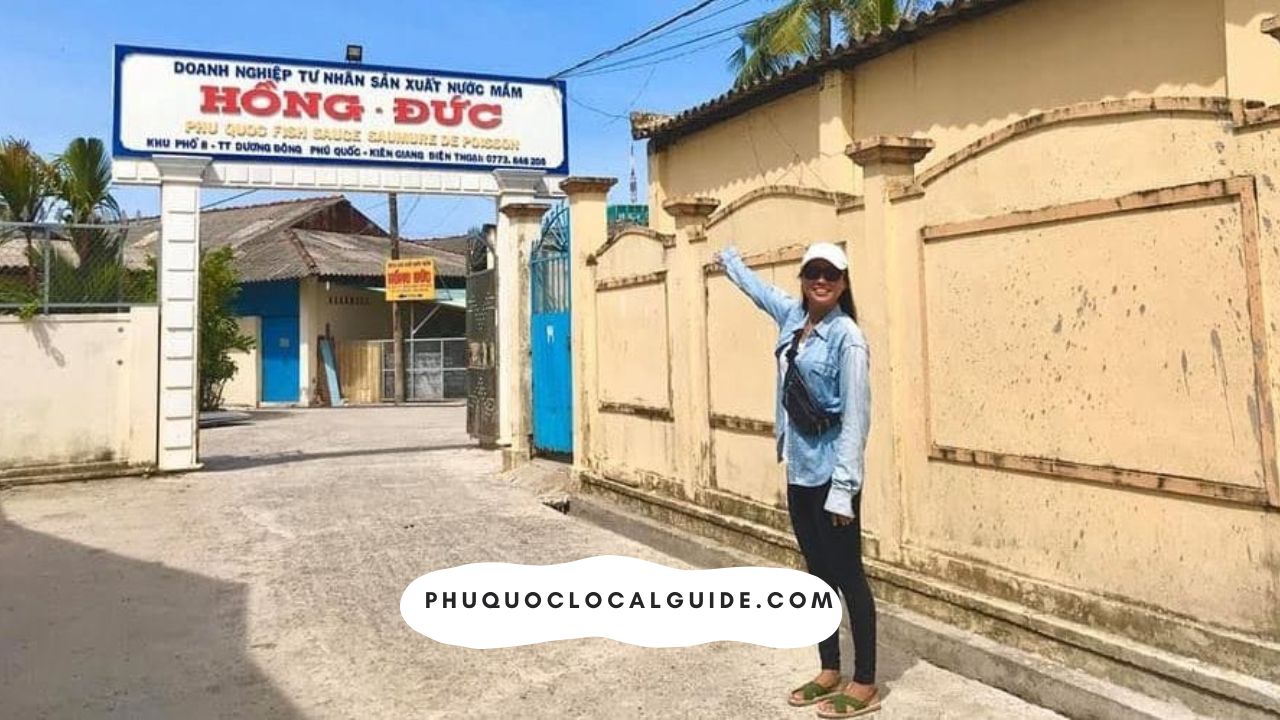
If there is one thing that truly shaped old Phu Quoc, it was fish sauce. Today, visitors intentionally visit a fish sauce factory as part of a sightseeing tour. When I was growing up, you didn’t need to visit one. Fish sauce was everywhere. The smell drifted through the streets from morning until evening. It wasn’t unpleasant to us because it simply meant home.
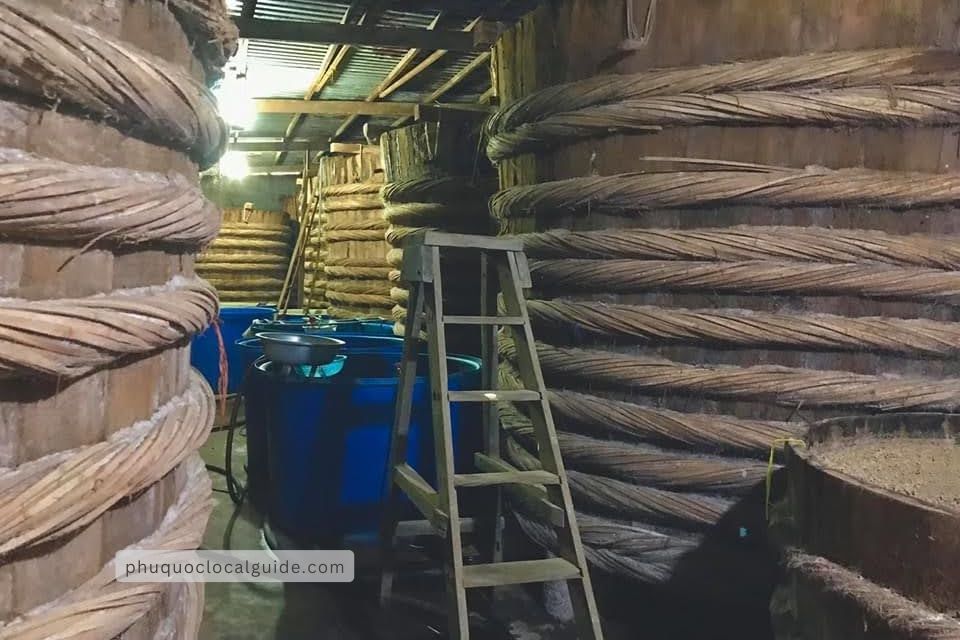
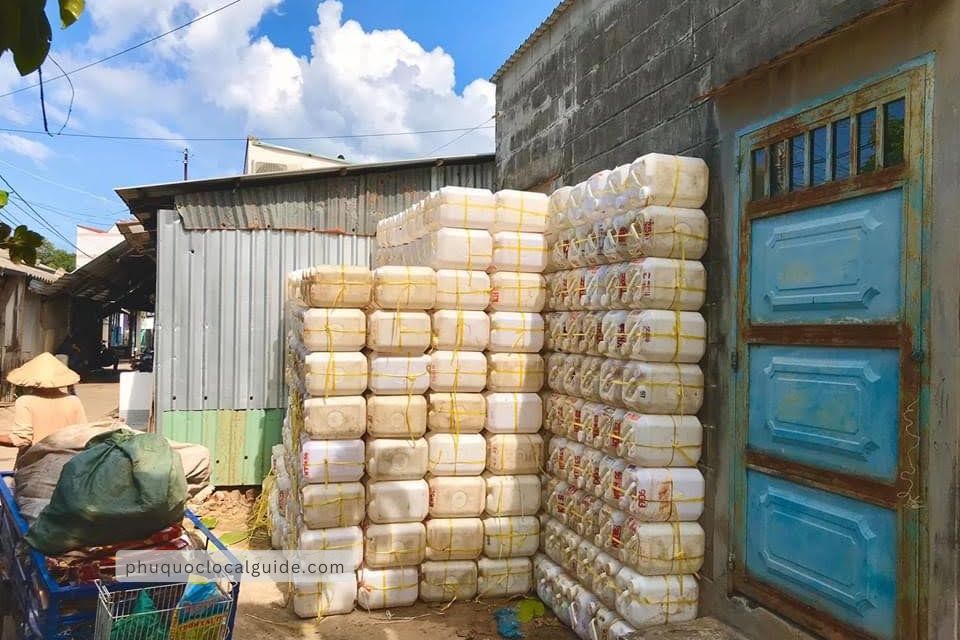
Our neighborhood was filled with traditional fish sauce producers. Every few houses stood another wooden warehouse with enormous fermentation barrels.
Fishing boats arrived throughout the day carrying fresh anchovies. Workers unloaded baskets of fish onto the docks. Salt was piled high beside the warehouses. People shouted across the river as they weighed fish, mixed salt, and prepared new batches. It wasn’t a tourist attraction. It was everyday life.
Children played in the alleys while adults worked only a few steps away. Looking back now, I realize those sounds were the soundtrack of my childhood.
A Neighborhood Built Around the Sea
Almost everyone around us depended on the sea in one way or another. Some families owned fishing boats. Others made fish sauce. Some repaired nets. Others traded seafood. Life followed the rhythm of the fishing season.
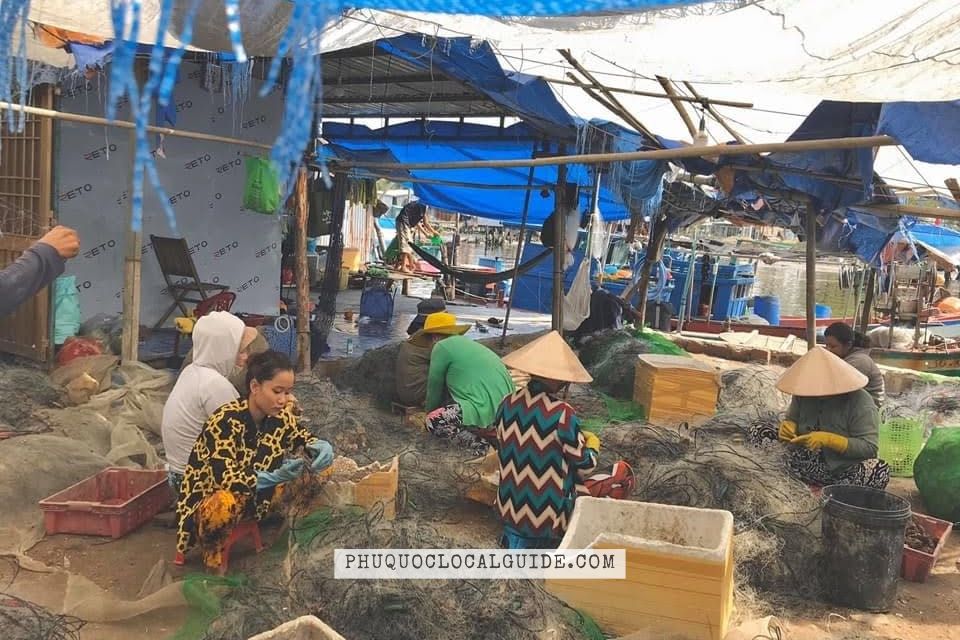
One thing I remember clearly is that buying fish was almost unnecessary. Someone had always returned from the sea with more than enough. Neighbors shared what they had. Fresh anchovies; Squid; Mackerel; Small reef fish.
The sea fed not only individual families but the entire community. Perhaps that is why people here learned to rely on one another. Living on an island meant understanding that tomorrow’s weather was never guaranteed. Helping your neighbors was simply part of life.
The Quiet Disappearance
Today, when I return to those same streets, everything feels quieter. Many of the traditional fish sauce houses have closed. Some owners retired. Some families sold their land. Others moved into tourism or completely different businesses.
The river still flows as it always has, but fewer fishing boats come and go. The familiar smell of fermenting fish has faded. The warehouses that once defined the neighborhood are becoming memories. Of course, change is inevitable.
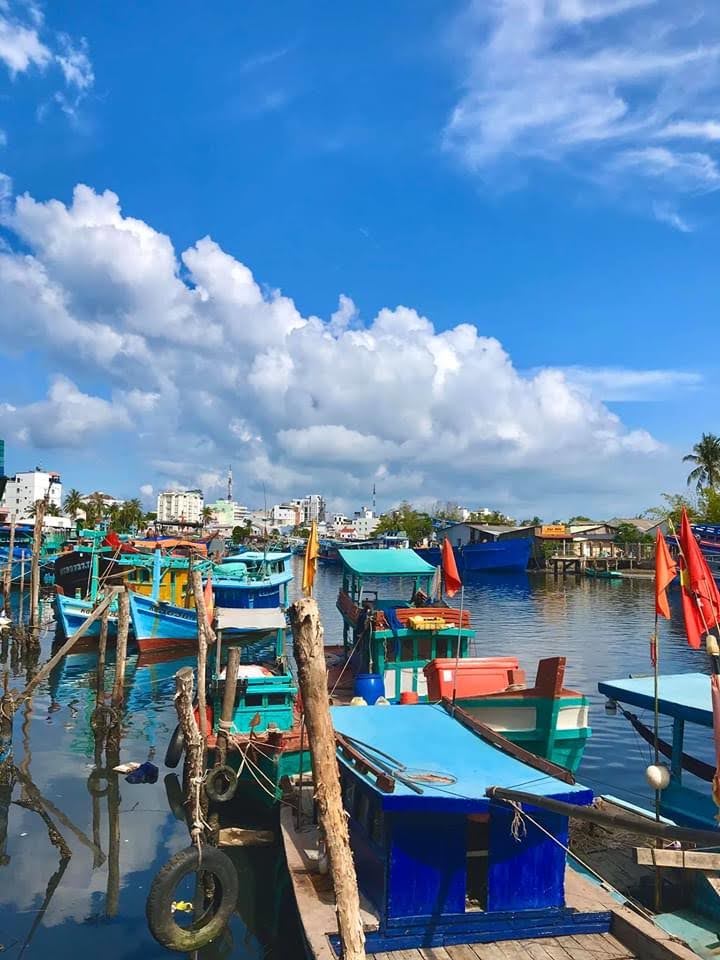
Phu Quoc has become one of Vietnam’s most famous destinations, bringing better roads, hospitals, schools, businesses, and opportunities that earlier generations could hardly imagine.
The island today is more prosperous than ever. Yet every transformation comes with something quietly left behind. Sometimes that “something” isn’t a building or a street. Sometimes it is simply a way of life.
The Soul of Phu Quoc
People often ask what makes Phu Quoc special. Many expect me to mention beautiful beaches or hidden islands. Those places are certainly wonderful. But I don’t think they are the island’s soul.
For me, the soul of Phu Quoc lives in the stories of fishing families. It lives in the rivers where communities first settled. It lives inside old fish sauce barrels that have quietly fermented anchovies for more than a century. It lives in the fishermen who still leave before sunrise, trusting the sea as their fathers and grandfathers once did.
These are the invisible things visitors rarely notice. Yet they are the foundation upon which modern Phu Quoc was built.
The Phu Quoc I Carry With Me
Whenever I cycle through those old alleys, I know I’m looking at more than old buildings.
I’m looking at fragments of my own childhood. The neighborhood is changing. The people are growing older. The smell of fish sauce is fading. The river is quieter than it used to be.
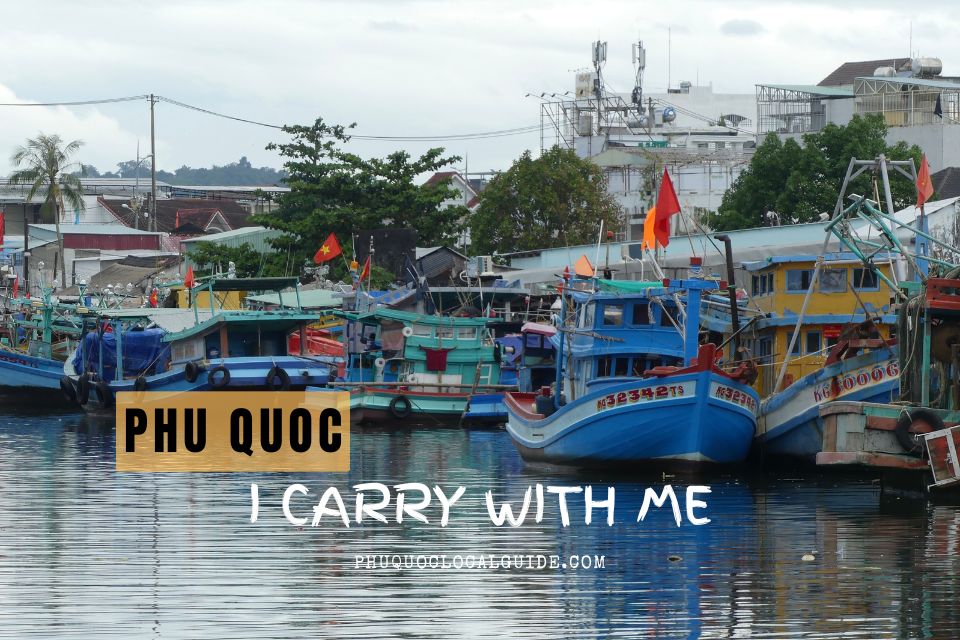
But every photograph I take feels like a small promise that these memories won’t disappear completely. Perhaps that is why I wanted to write this story. Not because I believe the old days were better. Every generation has its own version of Phu Quoc.
I simply hope that while people continue to discover the island’s beautiful beaches, they also take a moment to appreciate the quieter places where its identity was born.
Because long before Phu Quoc became famous for luxury resorts, it was an island of rivers, fishing boats, wooden fish sauce barrels, and ordinary families who built a life from the sea. That is the Phu Quoc I still carry with me.
If this story has helped you see a different side of the island, you may also enjoy learning more about Phu Quoc's history and identity. Start with our Phu Quoc Island Complete Travel Guide for a broader introduction to the island, then discover The Origin of the Name “Phu Quoc” – The Untold Story Behind Vietnam’s Pearl Island to explore the fascinating story behind the island's name and how its identity has evolved over time.
Read more:
-
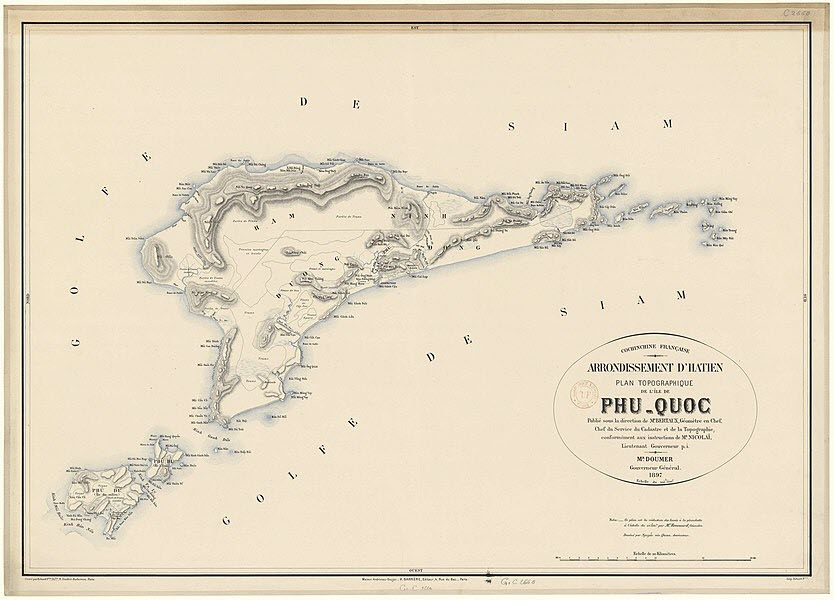
The History of Phu Quoc Island – A Journey Through Important Milestones
The history of Phu Quoc is far more fascinating than many people realize. Beyond its…
-
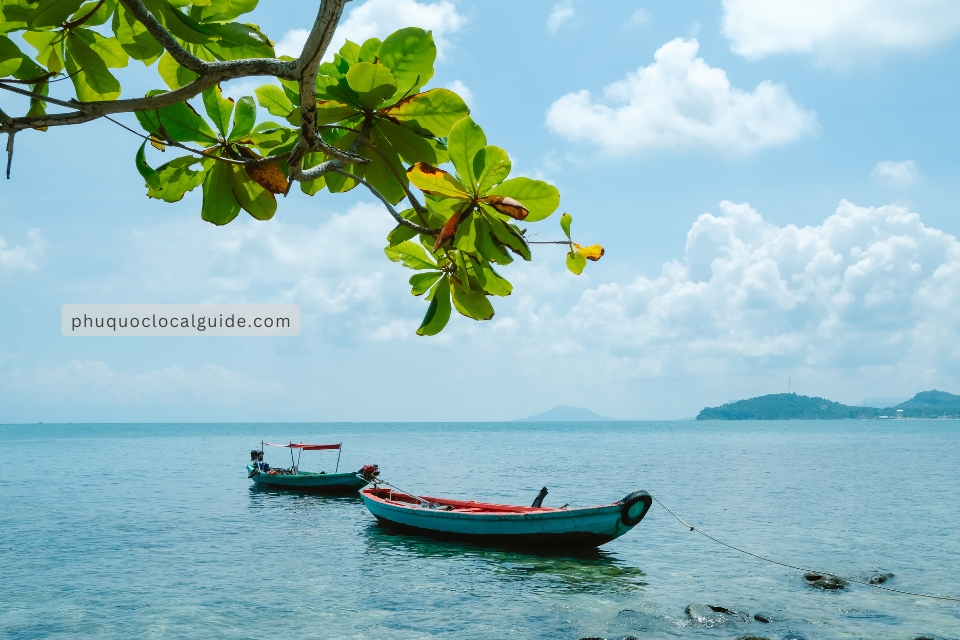
The Origin of the Name “Phu Quoc” – The Untold Story Behind Vietnam’s Pearl Island
Phu Quoc is now known around the world as Vietnam’s tropical paradise, attracting millions of…
-
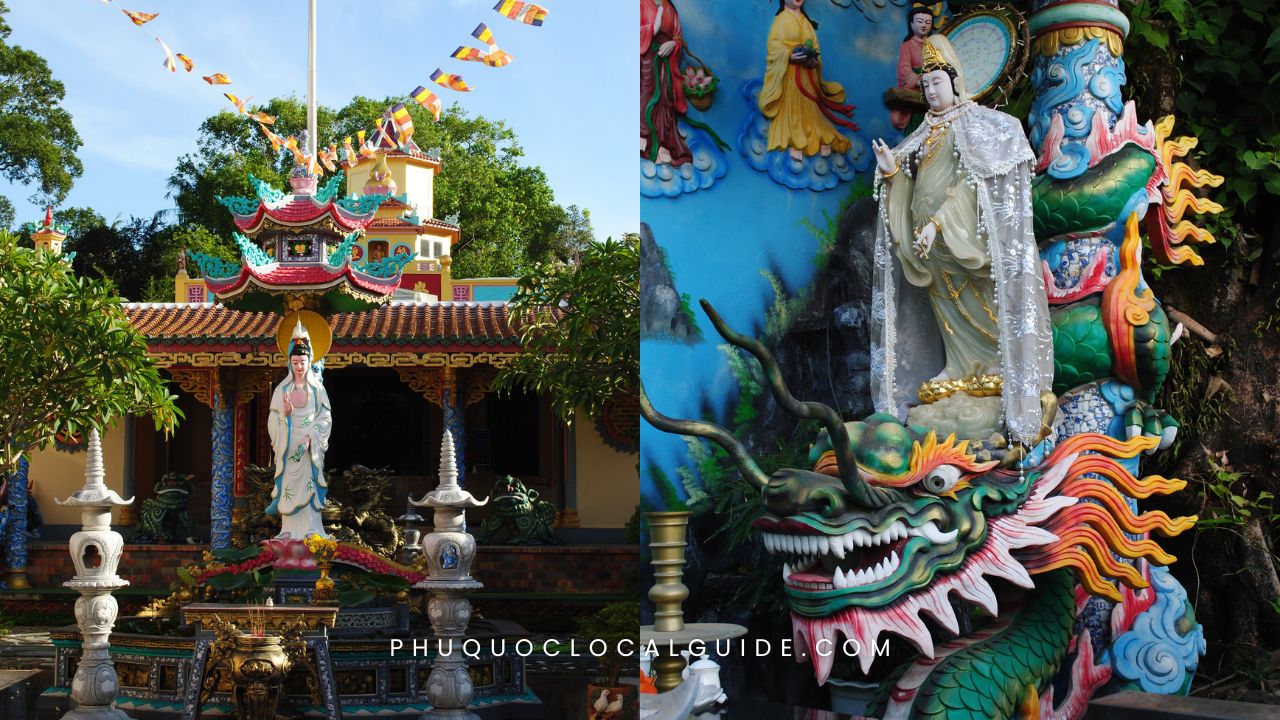
Hidden Legends of Phu Quoc Island
Today, Phu Quoc is celebrated as one of Vietnam’s most beautiful island destinations. Travelers come…

Leave a Reply