The history of Phu Quoc is far more fascinating than many people realize. Beyond its image as a tropical paradise filled with luxury resorts and beautiful beaches, the island has long been a meeting point of cultures, maritime trade routes, and political changes throughout the Gulf of Thailand for centuries.
If you take a deeper look into the island’s past, you will discover that Phu Quoc carries much more historical depth than the modern “resort island” image it is known for today. The story of the island is shaped by migration, trade, war, cultural exchange, and the gradual development of Southern Vietnam itself.
The information below is gathered and rewritten from historical records, administrative documents, and widely recognized research sources.
What Makes the History of Phu Quoc So Interesting?
When looking at the island’s entire historical journey, Phu Quoc can be understood through three overlapping historical layers:
1) Ancient Maritime Southeast Asia. This layer includes:
- Ancient trade routes across the Gulf of Thailand
- Khmer influence
- The Kingdom of Funan
- The Óc Eo culture
2) The Southward Expansion of Vietnam. This period is connected to:
- Mạc Cửu and the Mạc family
- The Nguyễn Lords
- Vietnamese settlers exploring and developing the island
3) Modern History. This layer includes:
- Wars and political conflicts
- The infamous Phu Quoc Prison
- Sovereignty disputes
- The island’s transformation into a tourism destination
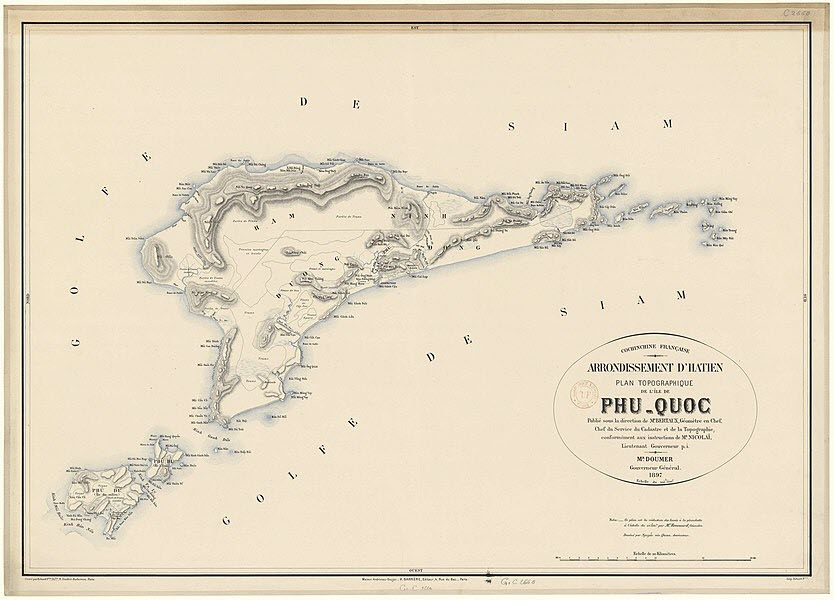
Because of these overlapping historical periods, Phu Quoc is not simply a place for vacations. It is an island carrying many historical memories of both Southern Vietnam and the Gulf of Thailand region.
A Quick Historical Timeline:
| Period | Key Events |
|---|---|
| Ancient era | Early settlement linked to Óc Eo/Funan culture |
| 1600s | Mentioned in Khmer and Cambodian records |
| 1708 | Mạc Cửu joins Nguyễn Lords; island becomes tied to Vietnam |
| Late 1700s | Nguyễn Ánh uses island as refuge during Tây Sơn wars |
| French colonial era | Plantation experiments and economic development |
| Vietnam War | Phú Quốc Prison becomes major detention camp |
| After 2000 | Massive tourism and infrastructure boom |
Important Historical Milestones of Phu Quoc
Today, many travelers think of Phu Quoc as a destination filled with turquoise beaches, luxury resorts, and famous sunsets. However, behind the image of the modern “Pearl Island” lies a long and surprisingly rich history.
The story of Phu Quoc stretches from ancient maritime trade routes in the Gulf of Thailand, to the southward expansion of Vietnam, to wartime conflicts, and finally to the island’s rapid transformation over the past few decades.
Perhaps because it is separated from the mainland by open sea, the history of Phu Quoc has always carried a unique atmosphere — partly wild, partly mysterious, and deeply connected to the larger history of Southern Vietnam.
- The Beginning: Phu Quoc began developing more actively during the 17th century under the influence of the Mạc family, although archaeological evidence suggests that people had already lived in the region since the Óc Eo cultural period.
- Historical Changes: Throughout history, the island experienced many administrative and political changes during the Nguyễn Dynasty, the French colonial era, and the Vietnam War.
- Phu Quoc Today: From a remote and undeveloped island, Phu Quoc has gradually transformed into a modern island city and one of Vietnam’s leading tourism and resort destinations.
>>Read more: All you need to know before travel to Phu Quoc
Ancient Times – The First Footprints on the Island
Researchers believe that people may have lived around the Phu Quoc region as early as the 1st to 7th centuries, during the time of the ancient Óc Eo culture and the Kingdom of Funan.
This is not surprising considering the island’s strategic location in the Gulf of Thailand. For hundreds of years, ships traveling between Southeast Asia, India, and coastal trading ports frequently passed through these waters. The early inhabitants likely lived by fishing, trading goods, and harvesting resources from the sea.
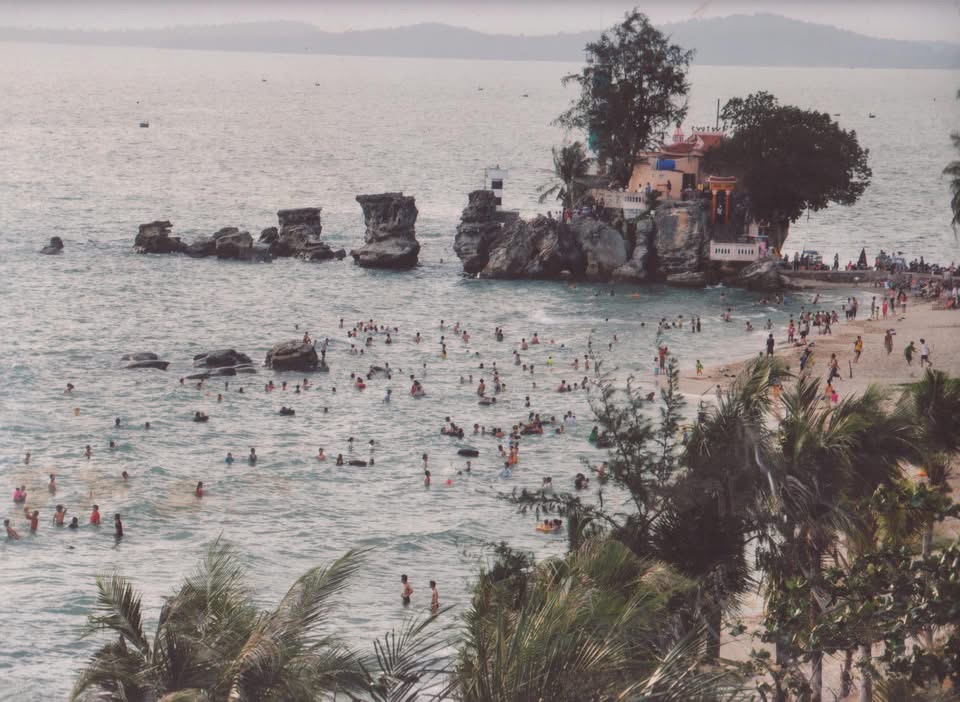
Although historical records from this early period remain limited, archaeological discoveries around the Hà Tiên and Kiên Giang region suggest that this area was once part of a vibrant maritime trade network in ancient Southeast Asia.
The Arrival of Mạc Cửu and the Beginning of Settlement
One of the most important turning points in the history of Phu Quoc began in the late 17th century.
At that time, Mạc Cửu, a Chinese merchant originally from Guangdong, migrated south and established settlements around Hà Tiên together with Vietnamese and Chinese communities. During this process, his followers also began exploring and settling nearby islands, including Phu Quoc.
From this period onward, the island slowly developed its first fishing villages, permanent communities, and trading activities.
1708 – An Important Sovereignty Milestone
In 1708, Mạc Cửu officially offered the Hà Tiên region, including Phu Quoc, to Lord Nguyễn Phúc Chu of the Nguyễn Lords. Afterward, the Mạc family continued governing the area under Nguyễn authority.
This event is considered one of the most significant milestones in the island’s history because it:
- Marked the official administration of Phu Quoc under the Nguyễn Lords
- Expanded Vietnamese presence into the southwestern sea region
- Laid the foundation for Vietnam’s long-term sovereignty over the island
After 1708, more Vietnamese settlers arrived, and industries such as fishing, fish sauce production, and maritime trade gradually expanded across the island.
Nguyễn Ánh Once Took Refuge on Phu Quoc
During the late 18th century, the conflict between the Tây Sơn forces and Nguyễn Ánh became increasingly intense. In several difficult periods, Nguyễn Ánh — who later became Emperor Gia Long — reportedly used islands in the Gulf of Thailand as temporary refuges while rebuilding his forces.
Phu Quoc was considered an ideal location because it was:
- Far from the mainland
- Difficult to access
- Surrounded by smaller islands
- Convenient for naval movement
Even today, local legends and folk stories on the island remain connected to Nguyễn Ánh, including places such as:
- Dinh Cậu
- Giếng Tiên
- Various oral stories passed down by local fishermen
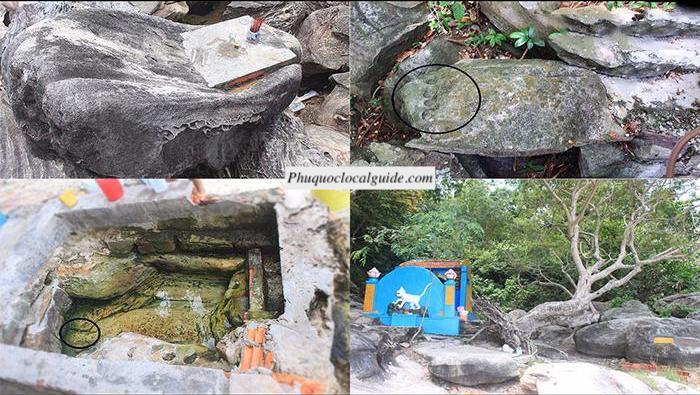
Although some details belong more to folklore than verified history, Nguyễn Ánh’s connection to the Phu Quoc region is documented in many historical sources from Southern Vietnam.
Phu Quoc During the Nguyễn Dynasty
Throughout the Nguyễn Dynasty, Phu Quoc remained a remote island but held strategic importance in the Gulf of Thailand. Islanders mainly survived through:
- Fishing
- Fish sauce production
- Pepper farming
- Forest resource exploitation
Among these industries, fish sauce gradually became one of the island’s most important cultural and economic identities. Thanks to the abundant anchovy resources surrounding the island, Phu Quoc fish sauce developed continuously for generations.
The island was also home to Vietnamese, Chinese, and Khmer communities living together, which helped shape the unique cultural atmosphere that still exists today.
French Colonial Period and Wartime
In 1876, the French colonial administration officially incorporated Phu Quoc into the Hà Tiên administrative region. During this period, the island remained relatively isolated with a small population, but fishing, pepper farming, and fish sauce production continued supporting the local economy.
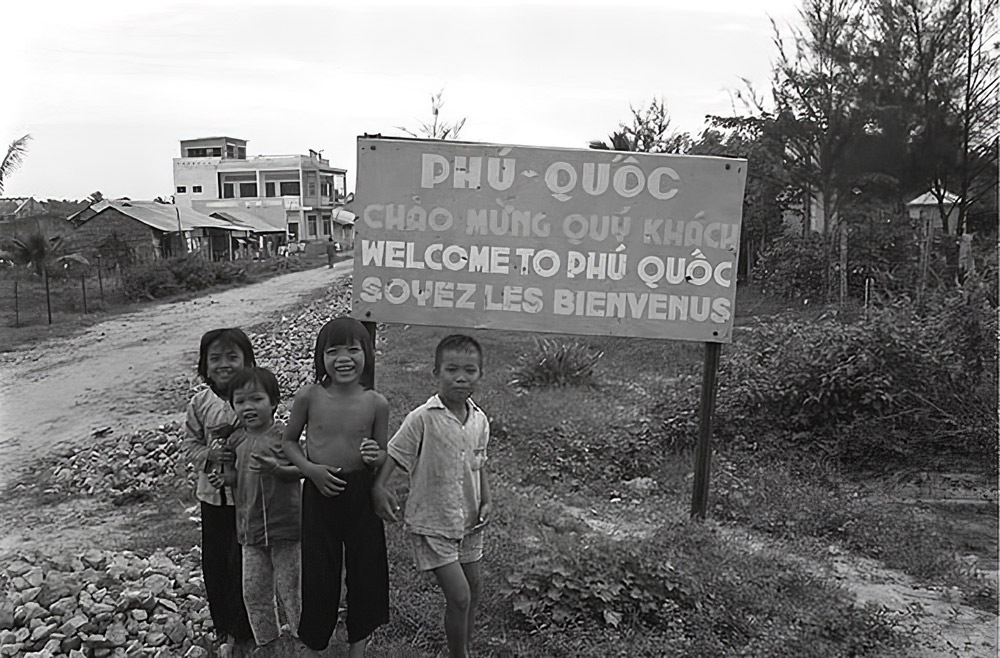
The Chinese Nationalist Refugee Period (1949–1953): One lesser-known chapter of Phu Quoc history occurred between 1949 and 1953. After the Chinese Civil War, more than 30,000 soldiers from the Chinese Nationalist Army temporarily took refuge on the island. Their presence briefly changed local life, security, and demographics before they were eventually relocated elsewhere.
The Vietnam War and Phu Quoc Prison: The darkest period in the island’s modern history came during the Vietnam War. During the war, Phu Quoc became home to the infamous Coconut Tree Prison (Nhà tù Cây Dừa), one of the largest prisoner camps in South Vietnam. More than 14,000 political prisoners were reportedly detained there.
The prison became notorious for:
- Dense barbed-wire systems
- “Tiger cages”
- Severe torture methods
- Harsh living conditions
Many people later described it as “hell on earth” in the middle of the sea. Today, the prison site remains preserved as an important historical memorial.
After 1975 – Sovereignty and Development
After 1975, Phu Quoc continued to play an important strategic role in Vietnam’s southwestern waters. Because of its location near Cambodia, maritime boundaries surrounding the island remained an important issue between the two countries for many years.
In 1999, Vietnam and Cambodia reaffirmed the Brévié Line as the basis for defining historic maritime boundaries, helping further confirm Vietnam’s sovereignty over Phu Quoc.
From Remote Island to Tourism Paradise
Interestingly, Phu Quoc only began developing rapidly within the last two decades.
Before the 2000s:
- Most roads were red dirt roads
- Electricity was unstable
- Tourism remained limited
- Many areas were still completely wild and undeveloped
The island’s transformation accelerated after:
- The construction of Phu Quoc International Airport
- Major infrastructure upgrades
- Large tourism investments
- Visa exemption policies for international travelers
In 2021, Phu Quoc officially became Vietnam’s first island city.
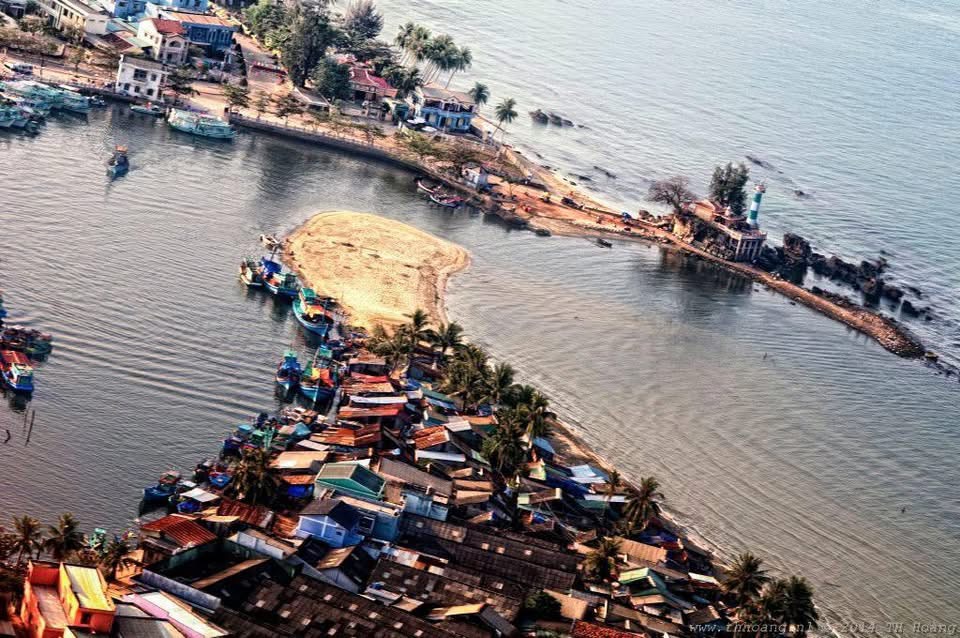
Today, the island has become one of the most famous travel destinations in Southeast Asia. Read more: Highlight spots in Phu Quoc island, Vietnam
Final Thoughts
Phu Quoc is changing rapidly with modern resorts, entertainment complexes, and new infrastructure projects appearing across the island. Yet behind this modern development, many layers of history still quietly remain.
Sometimes, history can still be felt through:
- An old fishing village by the sea
- A traditional fish sauce factory
- A small fishermen’s shrine
- Stories passed down through generations
Perhaps that is why, for many travelers, Phu Quoc is more than simply a vacation destination. It is an island filled with stories of the sea, of history, and of Southern Vietnam itself.
More posts:
-
The History of Phu Quoc Island – A Journey Through Important Milestones
The history of Phu Quoc is far more fascinating than many people realize. Beyond its…
-
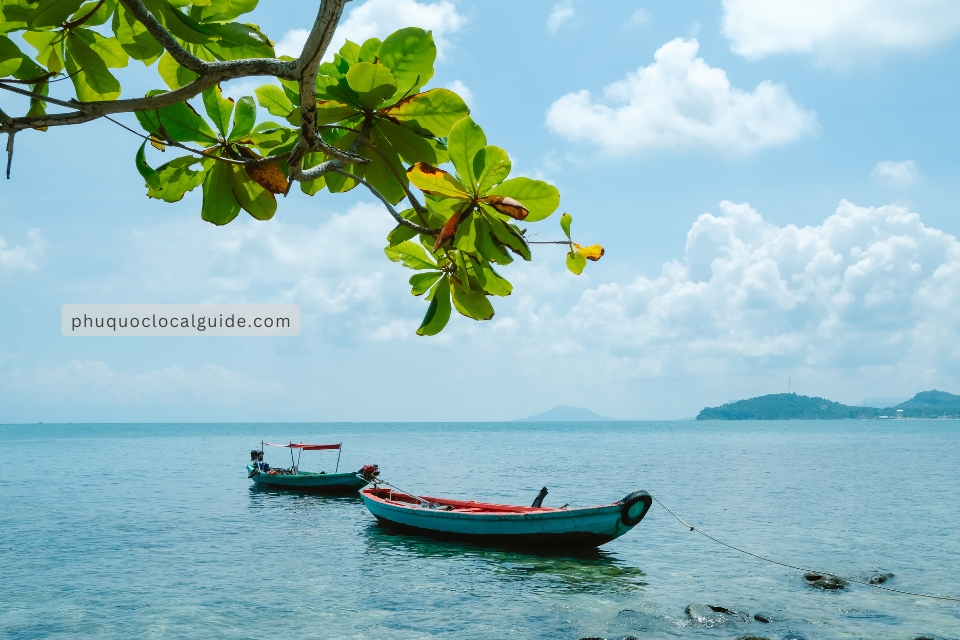
The Origin of the Name “Phu Quoc” – The Untold Story Behind Vietnam’s Pearl Island
Phu Quoc is now known around the world as Vietnam’s tropical paradise, attracting millions of…
-
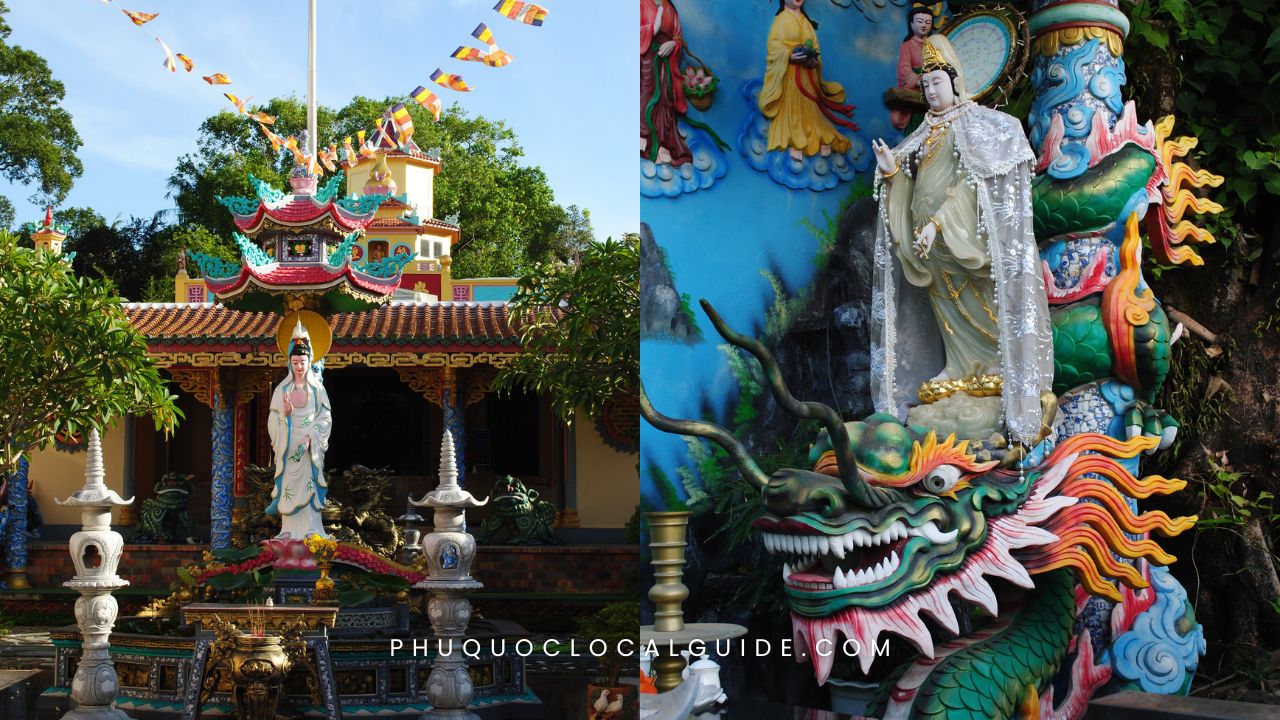
Hidden Legends of Phu Quoc Island
Today, Phu Quoc is celebrated as one of Vietnam’s most beautiful island destinations. Travelers come…

Leave a Reply