A complete guide to Vietnam’s largest tropical paradise
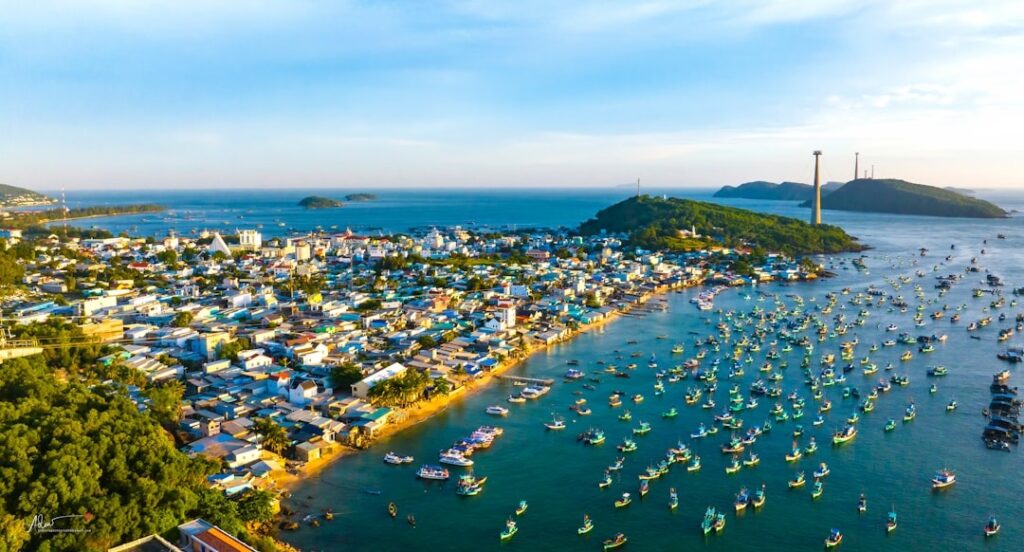
Wrapped by the calm waters of the Gulf of Thailand, Phu Quoc is Vietnam’s largest island — a place where pristine nature, warm hospitality and vibrant modern attractions blend into one unforgettable destination. Once a quiet fishing island, Phu Quoc has rapidly transformed into a world-class getaway while still preserving much of its rustic charm, cultural heritage and wild beauty.
Whether you’re a beach lover, adventure seeker, culture enthusiast or simply looking for a peaceful escape, the Pearl Island offers everything you need.
1. Where Phu Quoc Is Located
Phu Quoc lies off the southwest coast of Vietnam, close to Cambodia, and belongs to Kien Giang Province. The island stretches between 9°53′–10°28′ N and 103°49′–104°05′ E.
- Total area: 574 km² (nearly as large as Singapore)
- 22 surrounding islets
- 50 km from north to south; up to 25 km wide
- Northern tip borders Cambodia by sea
- Southern tip faces the Thoi An island cluster
With an international airport, seaports and modern highways, the island is easy to reach and simple to explore.

2. How to Get to Phu Quoc Island
Reaching Phu Quoc is straightforward thanks to its modern airport and well-connected transport network.
By Air
Most travelers fly directly to Phu Quoc International Airport (PQC), located in Duong To near Long Beach. The airport serves frequent domestic flights (from Ho Chi Minh City, Hanoi, Da Nang, Nha Trang, Can Tho) and seasonal international routes (Bangkok, Singapore, Kuala Lumpur, Seoul and major Chinese cities). Transfer times are short — only 10–15 minutes to Duong Dong and five minutes to the Duong To resort strip.
By Ferry or Speedboat
For those traveling overland, ferries depart daily from Ha Tien and Rach Gia:
- Ha Tien → Phu Quoc: 60–90 minutes
- Rach Gia → Phu Quoc: 2.5–3 hours
Boats arrive at Bai Vong Port on the east coast, where taxis and shuttles connect to all areas of the island.
>>Read more: Phu Quoc Transportation Guide
3. Geography & Natural Landscape
Phu Quoc’s terrain is mostly low and gently sloping, shaped by 99 small mountains and hills running north to south. More than half the island is covered by evergreen forest, including the vast Phu Quoc National Park, which protects rainforest, mountains, streams, mangroves, beaches and rare wildlife.
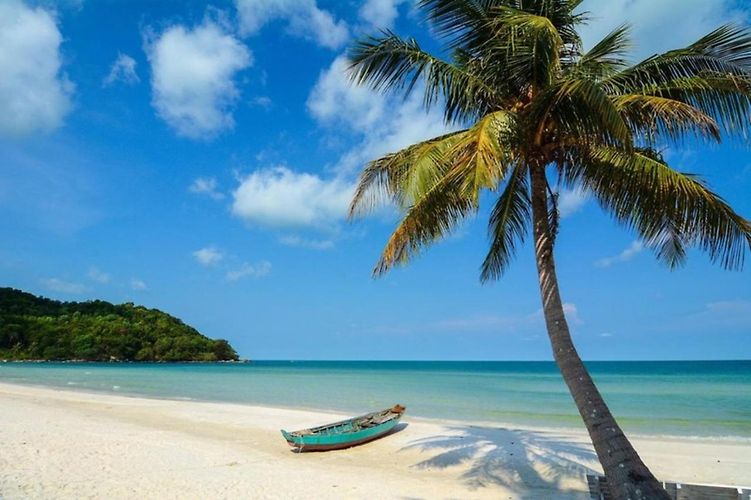
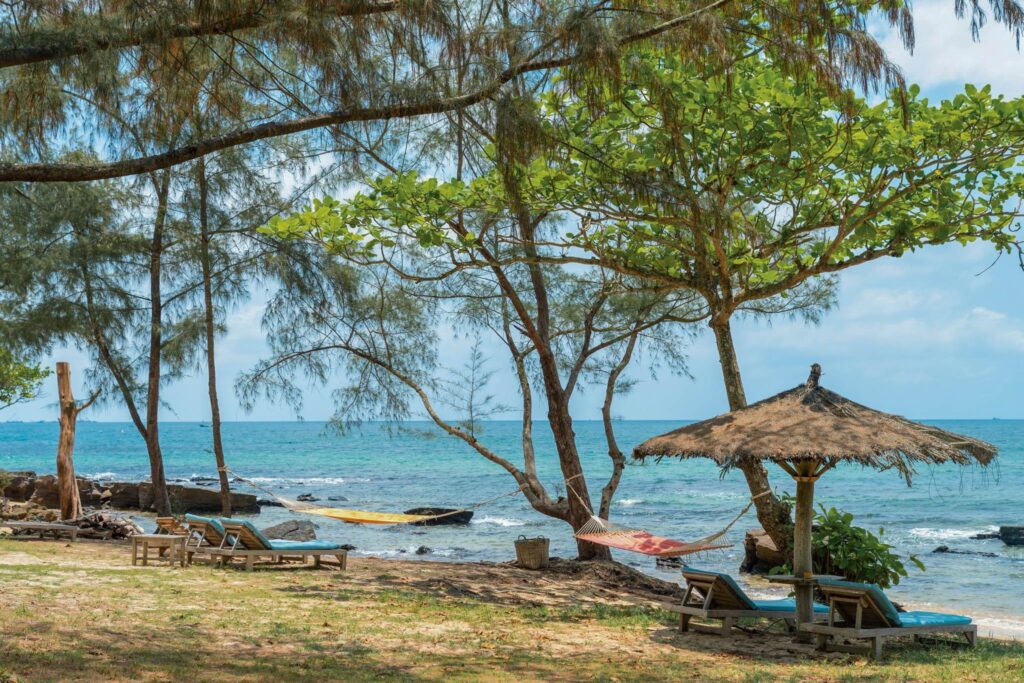
The west coast has long white-sand beaches, while the east remains quieter and more traditional. In the south, deep water channels separate the main island from the smaller An Thoi islets.
4. Climate
Phu Quoc enjoys a tropical monsoon climate with warm temperatures year-round and two distinct seasons:
Dry Season (November–May)
- Clear skies, calm seas
- Average temperature: 27–28°C
- Ideal for swimming, diving and sunsets
Rainy Season (June–October)
- Short tropical showers
- Humidity: 85–90%
- Northern region receives up to 4,000 mm of rain annually
Thanks to its sheltered location in the Gulf of Thailand, Phu Quoc rarely suffers from storms or typhoons.
5. A Glimpse Into History
Human settlement on Phu Quoc dates back to the Oc Eo civilization (5th century BC). Later, in the 17th century, the island became part of the legacy of Mac Cuu, a Chinese immigrant who built the Ha Tien region into a thriving trading port. During wartime, Phu Quoc was home to a large prisoner camp, now preserved as Phu Quoc Prison Museum, a powerful historical site documenting Vietnam’s past.
>>Read more: The History of Phu Quoc Island – A Journey Through Important Milestones

6. People, Population & Culture
Phu Quoc’s population grew from just 5,000 during wartime to nearly 180,000 residents today. Most are Kinh (Vietnamese), with Hoa and Khmer communities also present.
Religion is diverse, with Buddhism widely practiced, along with Cao Dai — a spiritual tradition that originated in Vietnam.
Island life centers around fishing, farming, and hospitality. The people of Phu Quoc are known for being modest, warm and welcoming — something visitors remember long after they leave.
>>Hidden Legends of Phu Quoc Island – Folktales That Shaped the Pearl Island
7. Economy & Development
Phu Quoc became Vietnam’s first island city in 2021. Tourism now accounts for nearly 70% of the island’s GDP, with over 4.7 million visitors in 2022.
More than 300 investment projects, international resorts, improved roads and a modern airport have contributed to the island’s rapid growth — all while efforts continue to preserve its natural ecosystem.
8. Why Phu Quoc Is Famous
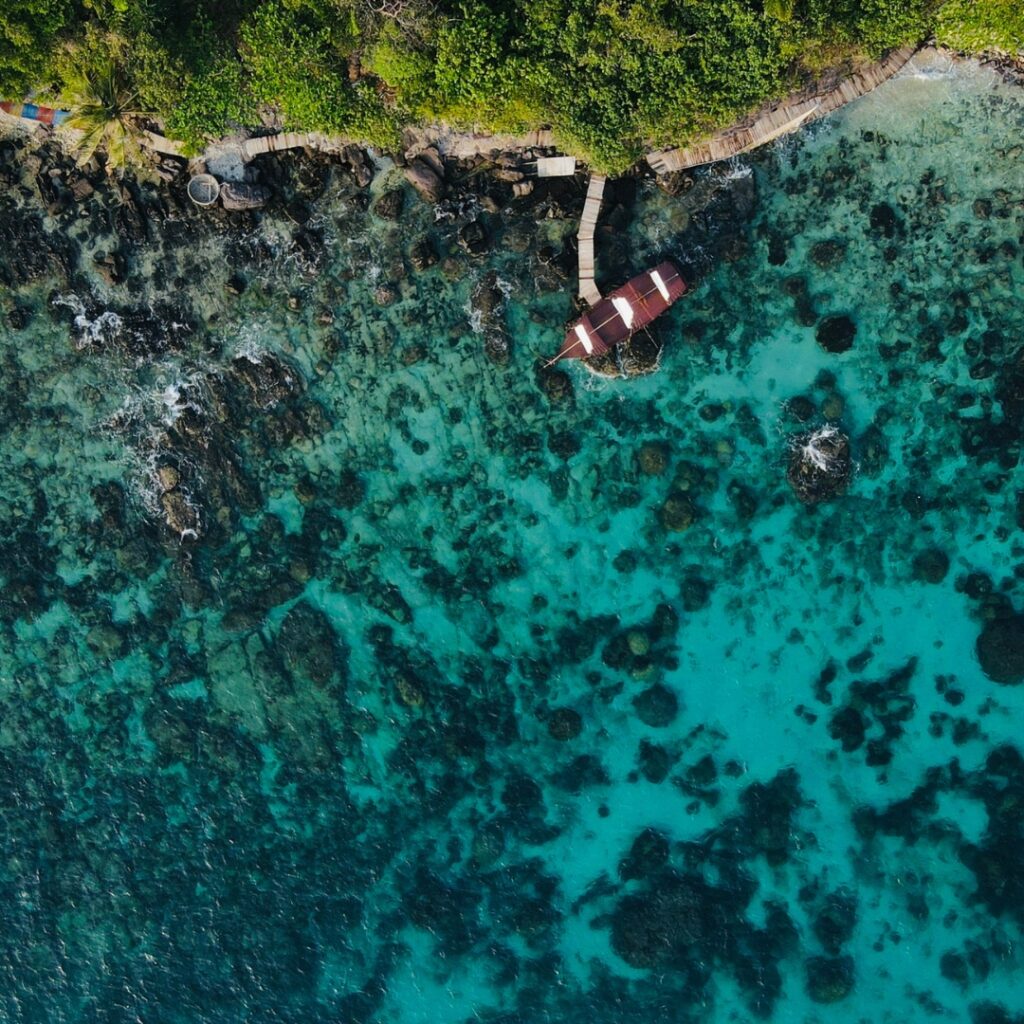
A UNESCO Biosphere Reserve
In 2006, UNESCO recognized Phu Quoc’s marine and coastal area as part of its global network of biosphere reserves.
The island boasts:

Rainforests
Mountains
Mangroves
Freshwater streams
Coral reefs: Over 252 coral species (473.9 hectares of reef)
Rare wildlife including dugongs, silvered langurs and flamingos
Beautiful Beaches
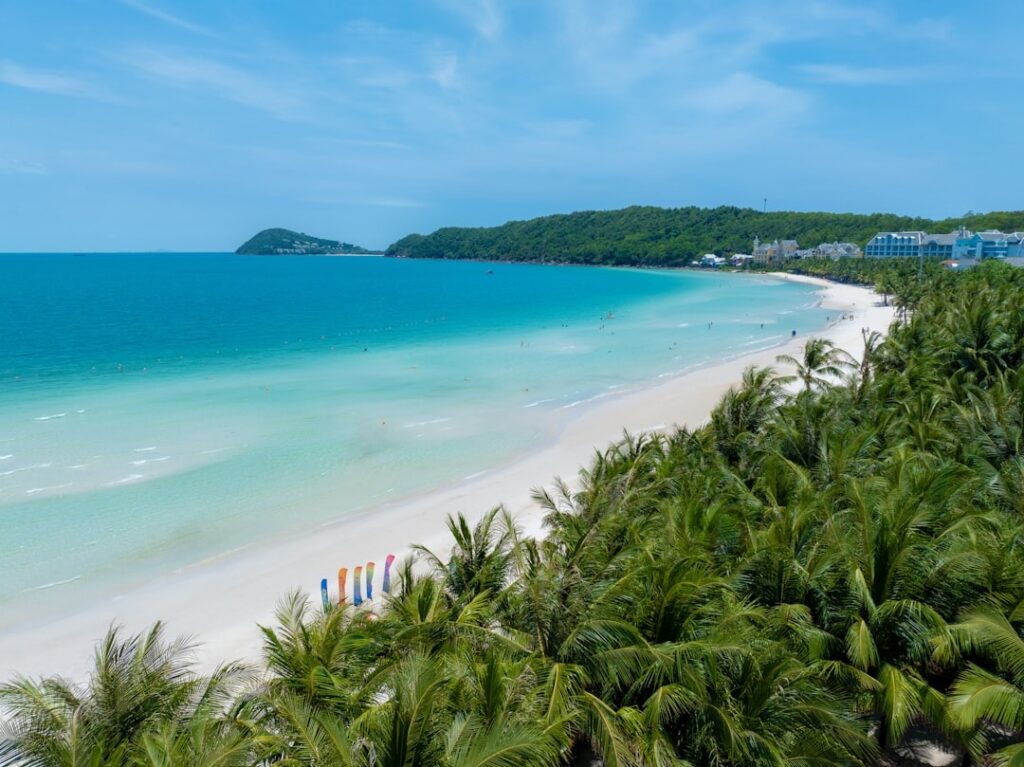
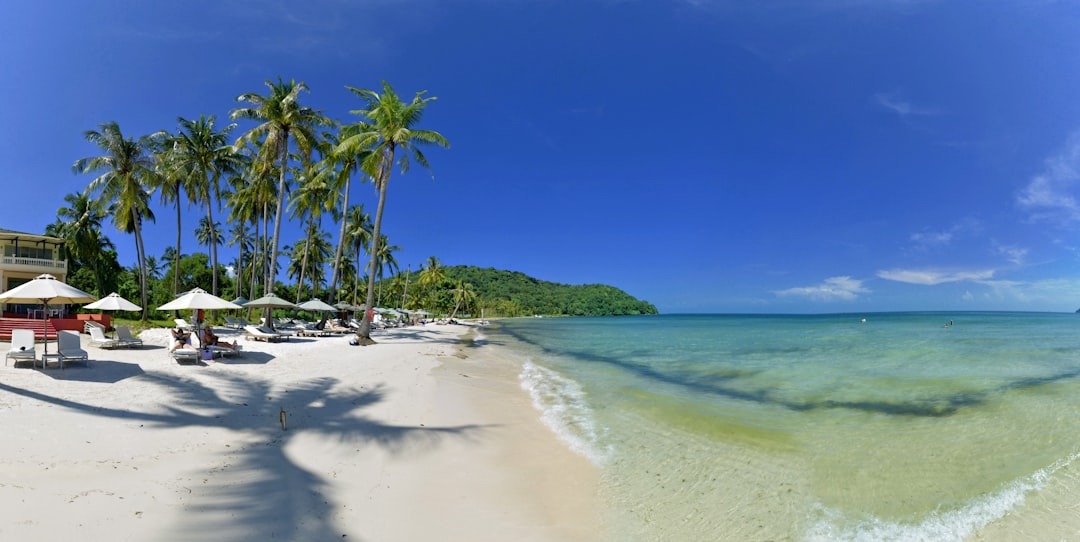
Phu Quoc offers more than 150 km of coastline with world-class beaches:
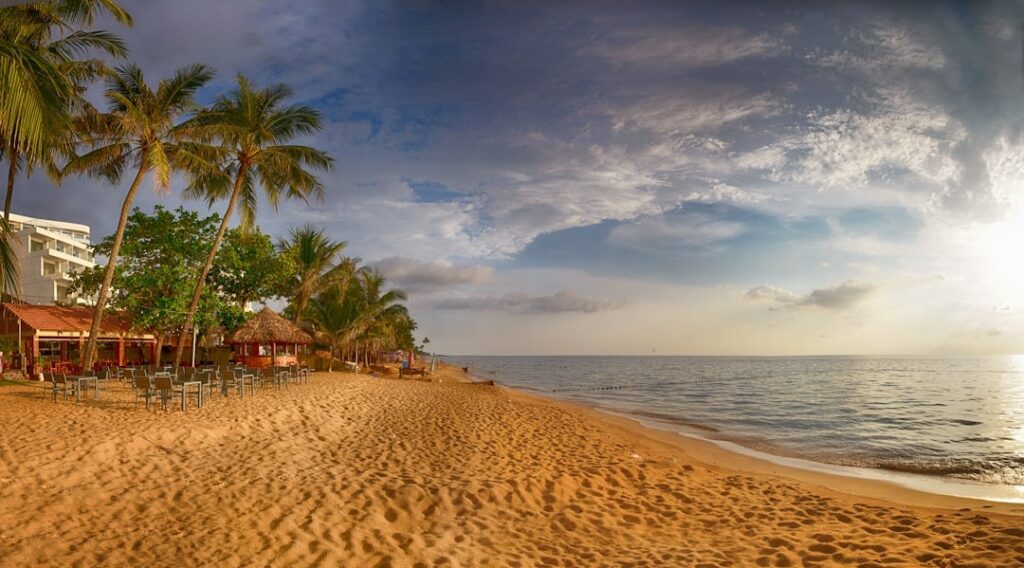
- Long Beach (Bai Truong) – golden sand, beach clubs, fiery sunsets
- Sao Beach – turquoise water, white sand, postcard-perfect views
- Khem Beach – crescent-shaped bay, crystal-clear water
- Bai Dai – long, quiet and peaceful; now home to Vinpearl resort complexes
- Ong Lang, Cua Can, Vung Bau – clean, tranquil and less crowded
- Rach Vem (Starfish Beach) – shallow water filled with red starfish
- Bai Thom – remote, untouched and ideal for camping
Signature Local Specialties
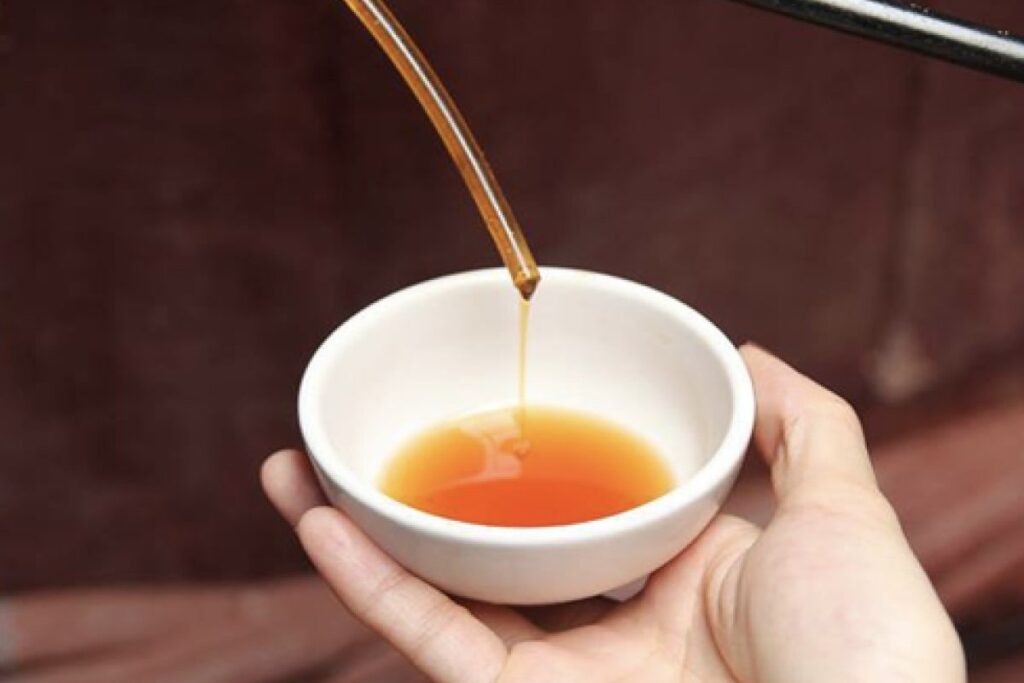
Phu Quoc Fish Sauce:
A 200-year-old craft, famous worldwide for its deep flavor, fermented in wooden barrels for 9–15 months.
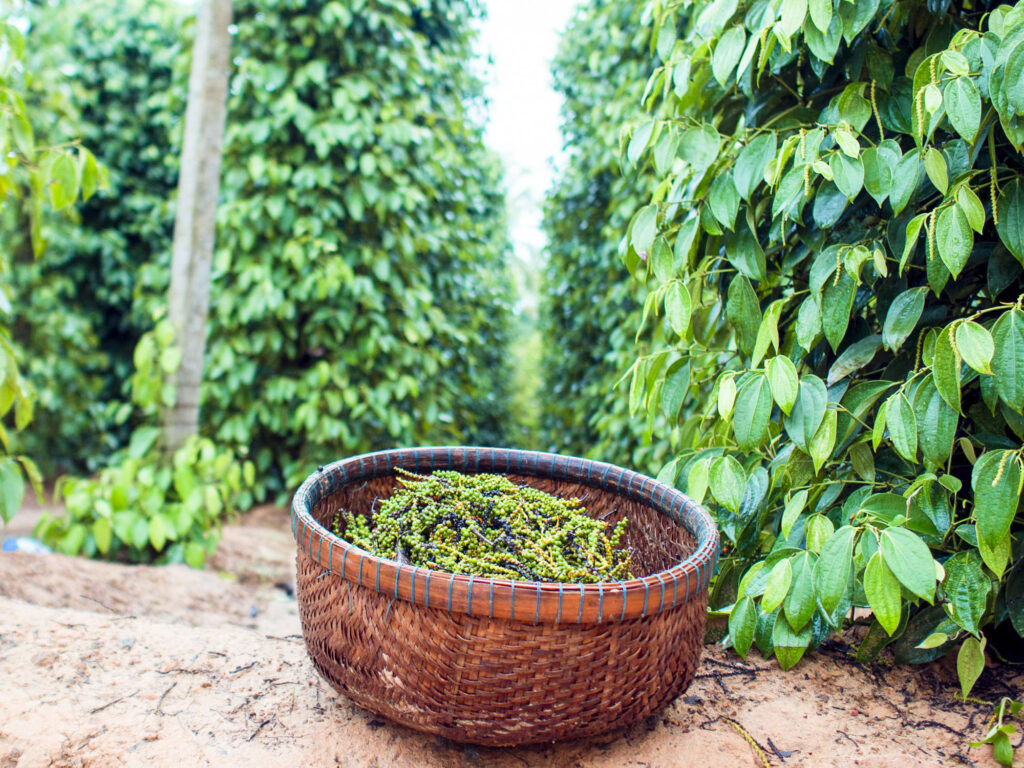
Phu Quoc Pepper:
Strong, aromatic and grown on the island’s red soil — considered among Vietnam’s best.
Sim Wine:
A sweet, fruity wine made from native myrtle berries.
Seafood:
Fresh crab from Ham Ninh, herring salad, grilled sea urchin, baby squid and more.
Historical & Cultural Sites
- Phu Quoc Prison Museum
- Dinh Cau Temple
- Nguyen Trung Truc Temple
- Coi Nguon Museum (private cultural museum)
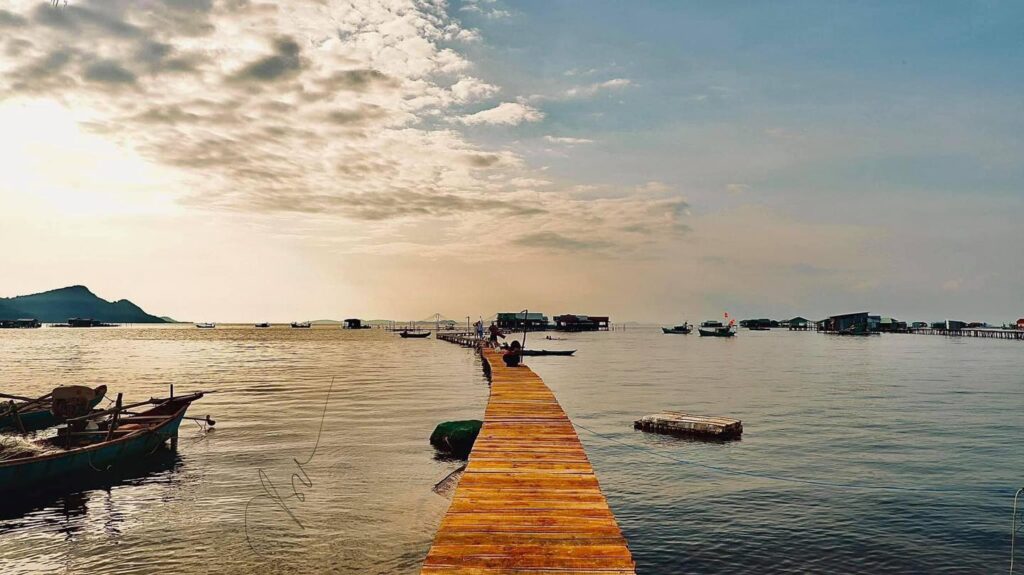
- Local fishing villages such as Ham Ninh and Ganh Dau
Modern Attractions
Phu Quoc combines nature with world-class entertainment:
- VinWonders Phu Quoc – Vietnam’s largest theme park
- Vinpearl Safari – the first semi-wildlife park in Vietnam
- Grand World – a sleepless entertainment city
- Sun World Hon Thom – home to the world’s longest sea-crossing cable car
- Sunset Town (Mediterranean Town) – European-style coastal architecture
- Sunset Sanato – Instagram-famous beach installations
>>Read more: Top Things to Do & Places to Visit in Phu Quoc
9. The Five Main Areas of Phu Quoc Island
Understanding the island’s layout helps you plan your itinerary more easily. Phu Quoc is commonly divided into five main regions, each offering different scenery and experiences:

1. Duong Dong – The Central Hub
The busiest area with the night market, beaches, temples, seafood restaurants, cafés, shops, fish sauce factories and many hotels for every budget. It is the most convenient place for first-time visitors.
2. Duong To – Long Beach & Resort Coast
Home to Bai Truong, Suoi May and Suoi Da. Known for Long sandy beaches, spectacular sunset views, trendy beach clubs, boutique resorts, Sonasea night market, pepper farms, and Suoi Tranh waterfall. Ideal for relaxation, couples and trendy beach vibes.
3. An Thoi – The South & Island-Hopping Base
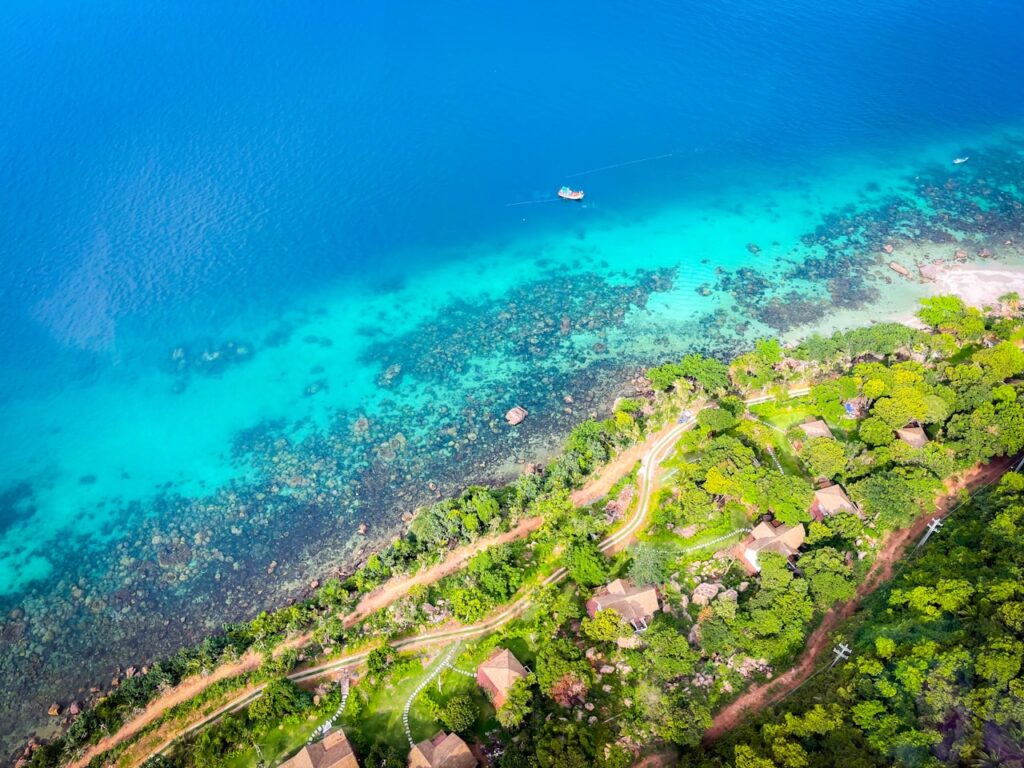
Great for boat tours to Hon Gam Ghi, Hon May Rut and Hon Mong Tay. Features Sao Beach, Khem Beach, Hon Thom Cable Car, Sunset Town and Phu Quoc Prison. A great mix of beach fun, history and unique experiences.
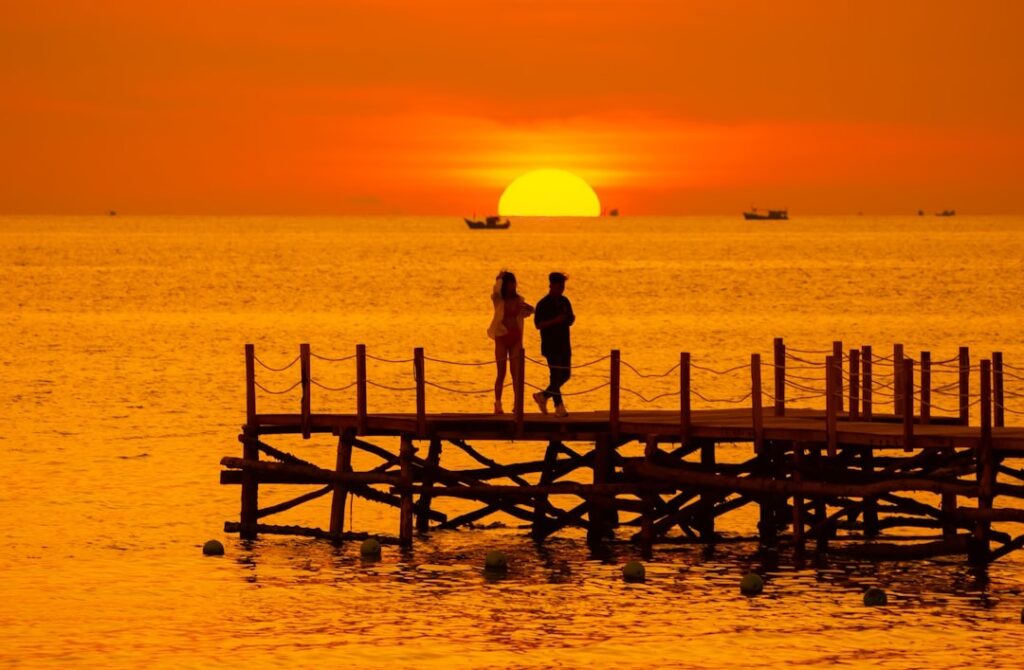
4. Ham Ninh & East Coast – Rustic & Peaceful
Perfect for sunrise lovers and foodies. Ham Ninh Fishing Village, Cay Sao beach, Bai Bon, Da Bac rocky coastline and Ham Ninh mountain range create a calm, authentic feel. Best for travelers who enjoy local culture and calm, untouched landscapes.
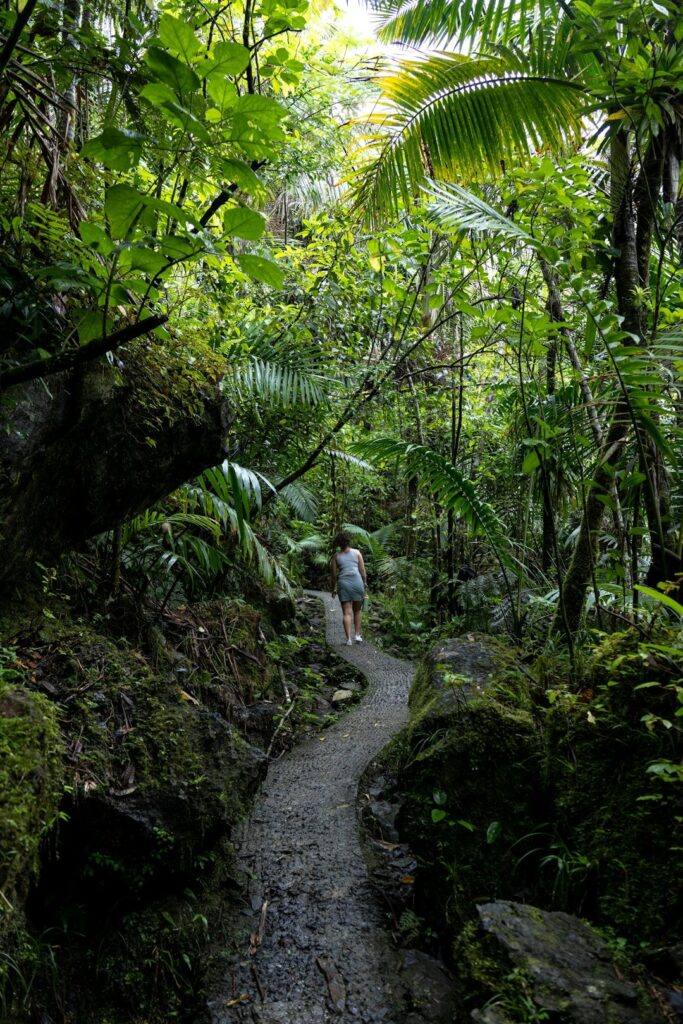
5. The North – Nature, Beaches & Vinpearl Complex
This area has the broadest range of experiences — from wilderness to full-scale entertainment. Features: Ong Lang Beach – romantic and peaceful, Cua Can River – kayaking and jeep tours, Ganh Dau – fishing village with views of Cambodia, Rach Vem – Starfish Beach, Bai Thom and entertainment giants like VinWonders, Safari and Grand World. A mix of nature, culture and family-friendly attractions.
Conclusion
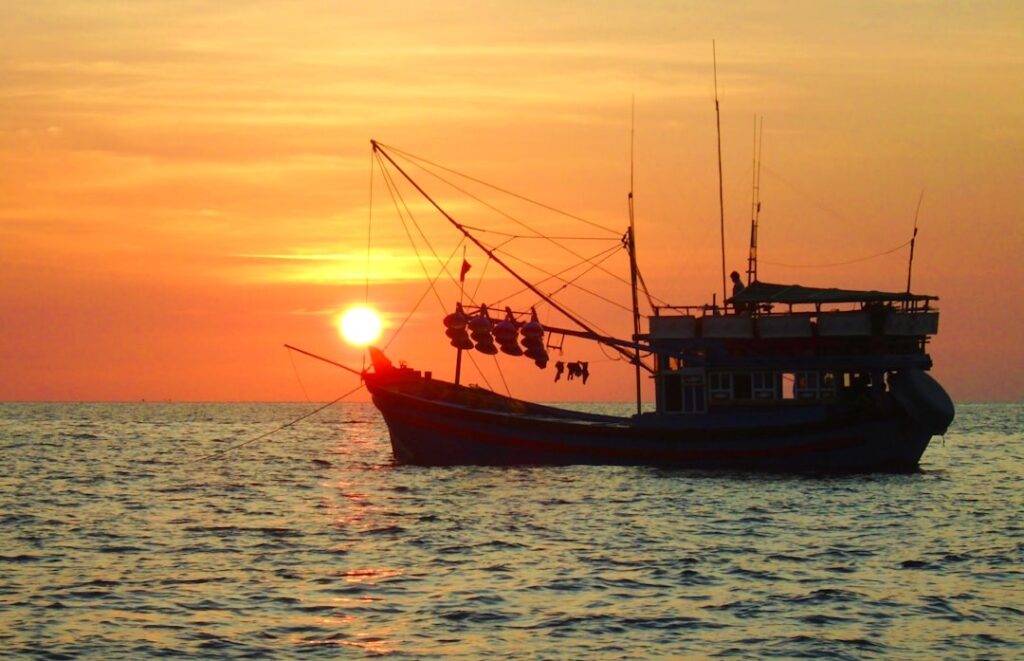
Phu Quoc is a rare destination where untouched nature, cultural heritage and modern entertainment meet harmoniously. From soft white beaches and lush forests to flavorful cuisine and friendly islanders, Phu Quoc offers a complete travel experience for families, couples, solo explorers and long-stay travelers alike. Whether you’re chasing sunsets, snorkeling above coral reefs, exploring temples or relaxing at a beach bar, the Pearl Island invites you to slow down, breathe deeply and feel its warm, peaceful soul.
If you’re planning a trip to Phu Quoc, this island is ready to welcome you — and it may just become the place you never want to leave.
The Beauty of Phu Quoc Photos
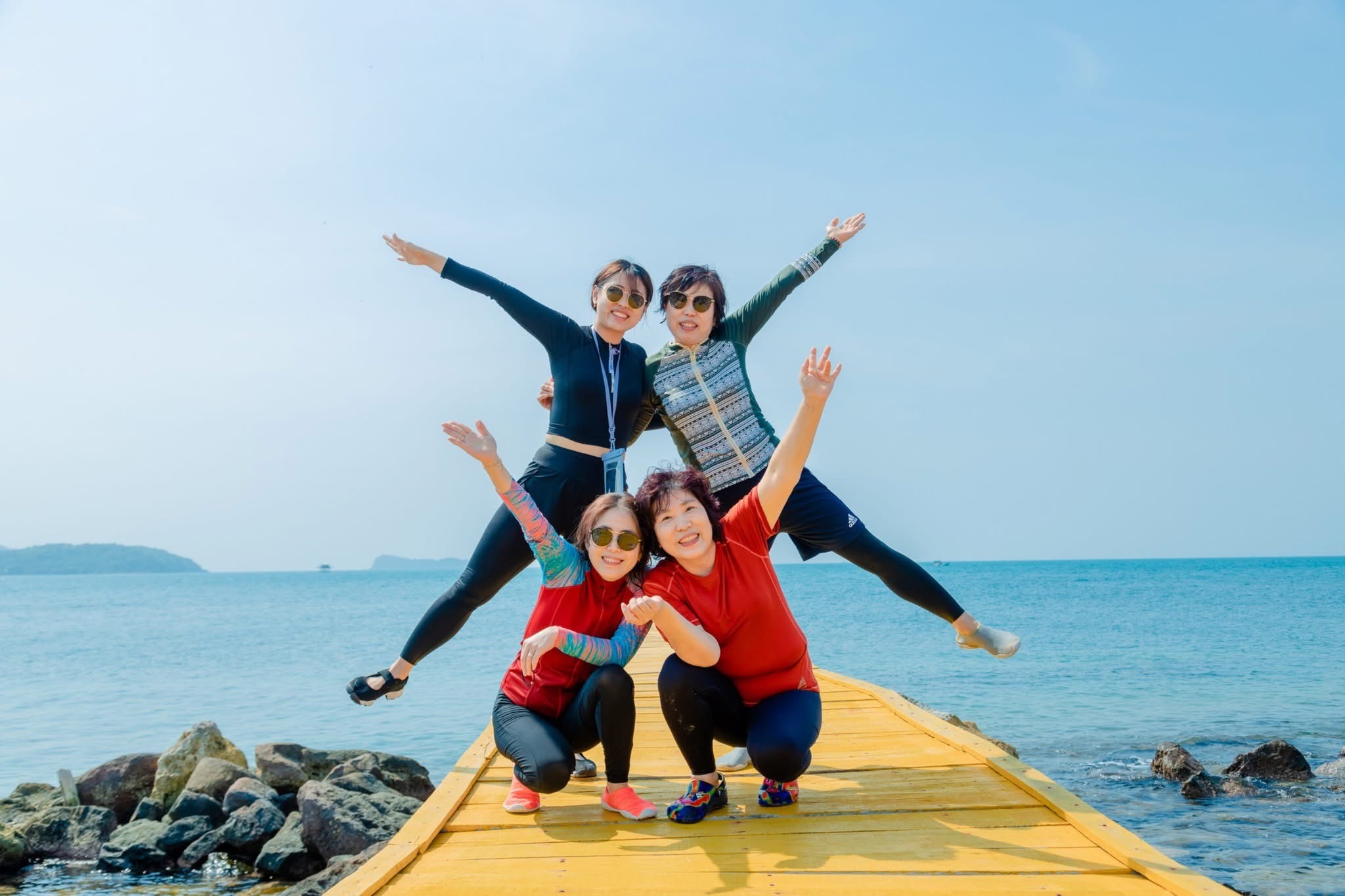
Browse a vibrant selection of photos capturing the island’s breathtaking landscapes and local charm.


Ready to Discover a Different Phu Quoc?
Follow our local guide to explore Phu Quoc Island’s top spots, activities, and culture with ease. Wrap up your experience by engaging with local traditions and savoring authentic cuisine for a memorable trip.
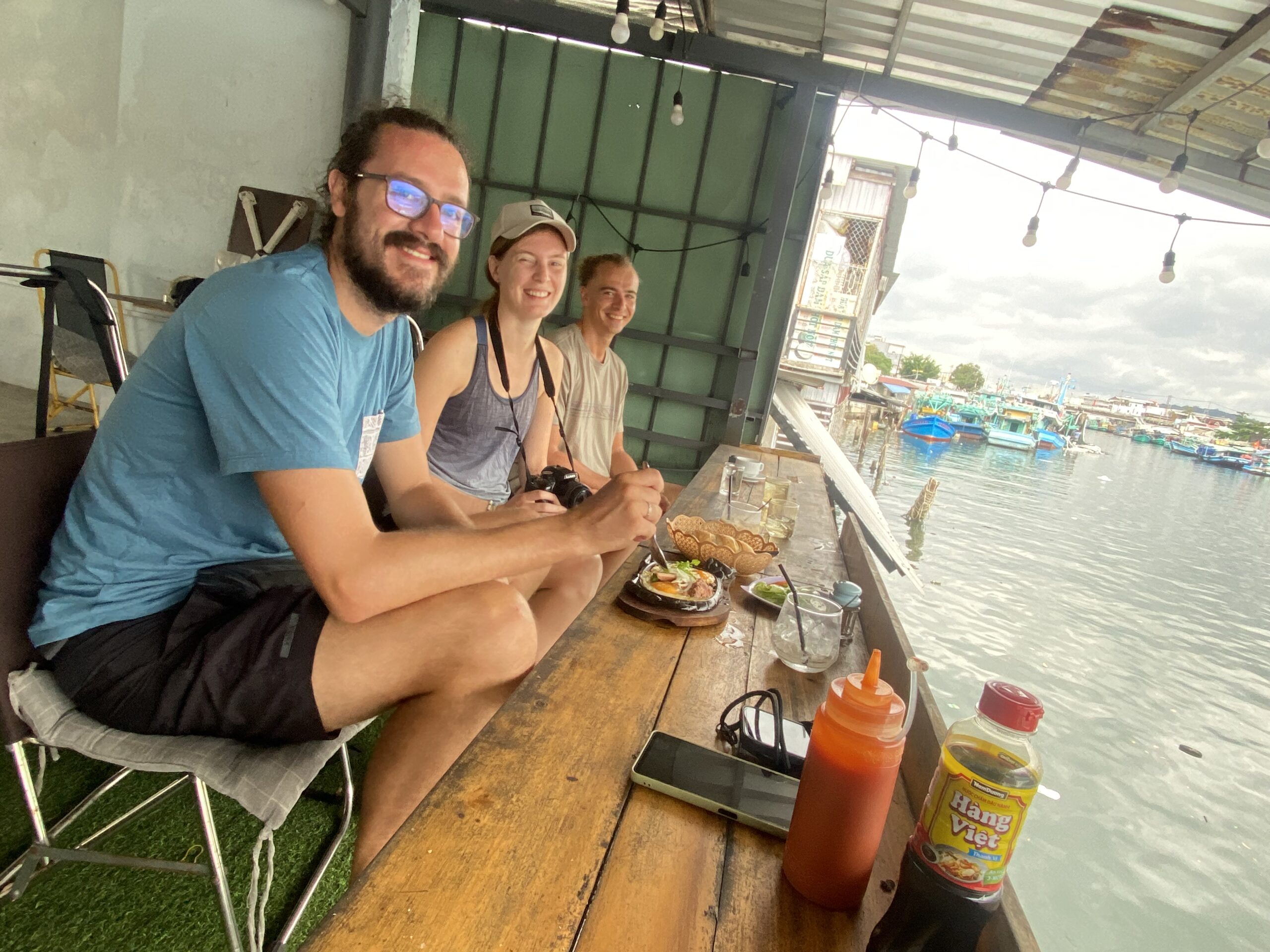

Discover Our Travel Guides and Tips
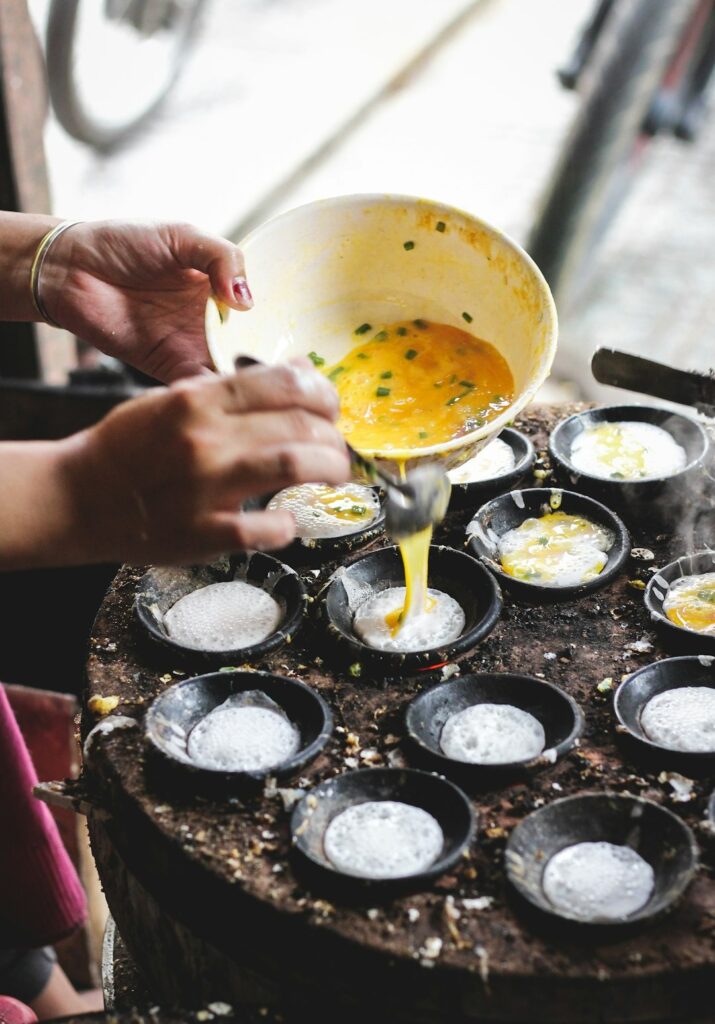
Uncover Phu Quoc’s street food and rich culture.
Authentic foodie
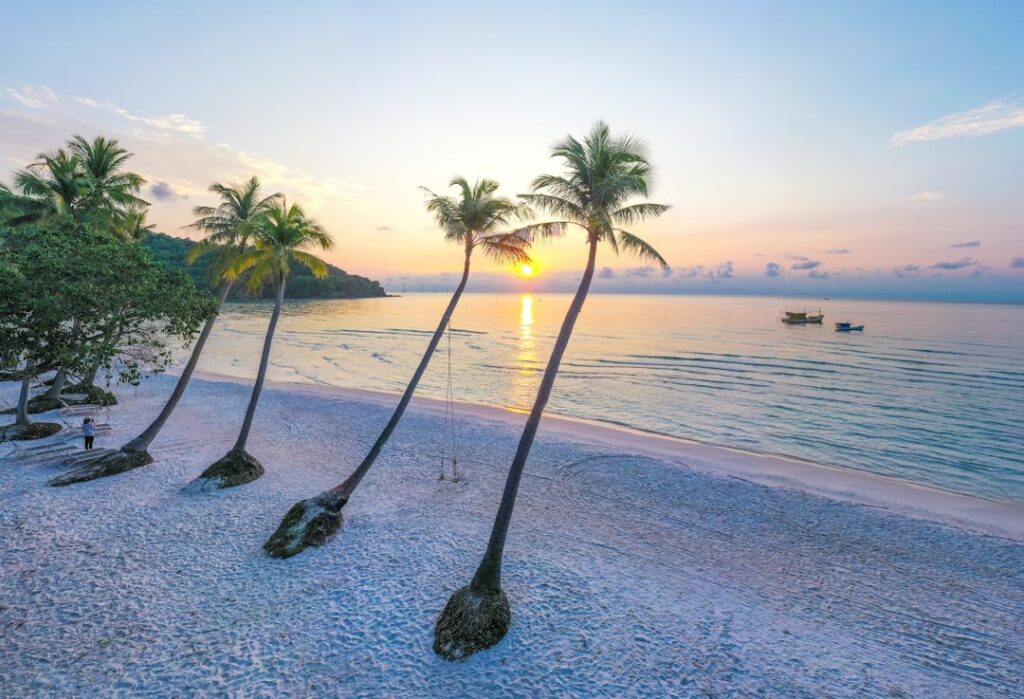
Discover Phu Quoc’s idyllic beaches and hidden gems.
Beach Adventures
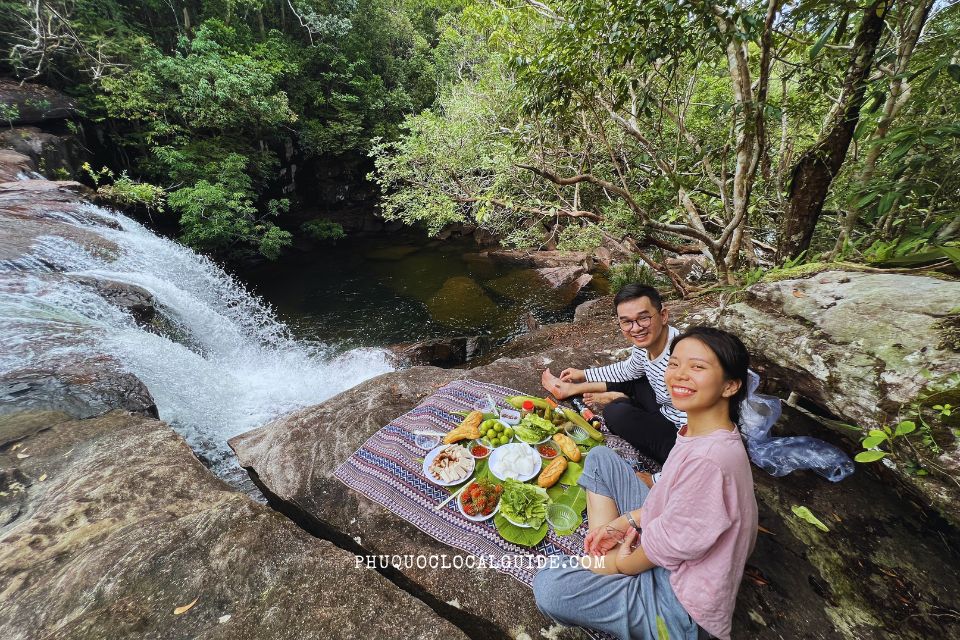
Join a jungle trek and explore Phu Quoc’s wild beauty.
Jungle Treks