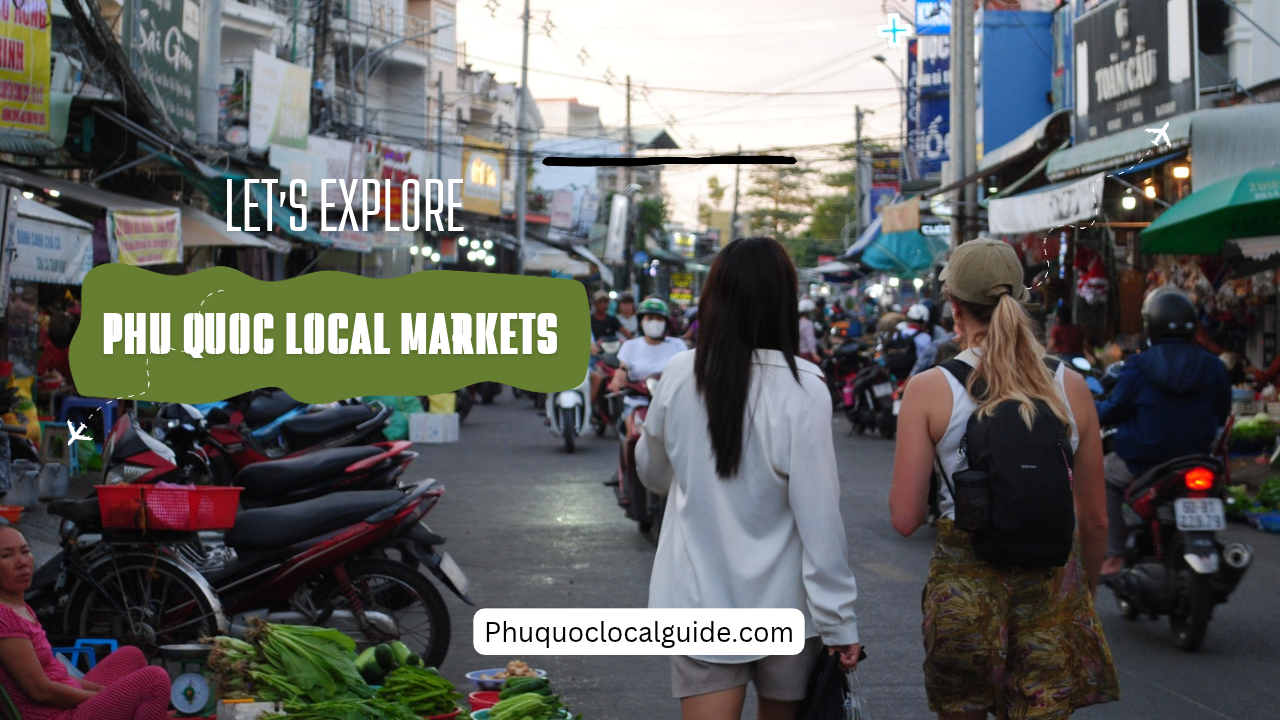
Before the Beaches Wake Up. Most visitors know Phu Quoc for its beaches, sunsets, and luxury resorts. But long before the first tourists arrive at the beach, another side of the island is already wide awake.
Around five o’clock in the morning, fishing boats begin returning to shore. Motorbikes carrying baskets of vegetables arrive from nearby farms. Seafood vendors prepare their stalls while the aroma of simmering noodle soup drifts through narrow market alleys. Local residents stop for breakfast, greet familiar faces, and shop for the day’s meals before heading to work.
For me, this has always been one of the most authentic parts of living in Phu Quoc. If you really want to understand the island beyond its resorts, don’t start with the beaches. Start with the markets. Each local market has its own personality. Some are busy commercial centers, while others are quiet neighborhood markets where almost everyone knows each other. Together, they tell the everyday story of life on this tropical island.
How Local Markets Work in Phu Quoc
Unlike supermarkets, traditional markets are busiest very early in the morning. Fresh seafood usually arrives first, followed by vegetables, tropical fruits, meat, herbs, spices, and countless small breakfast stalls.
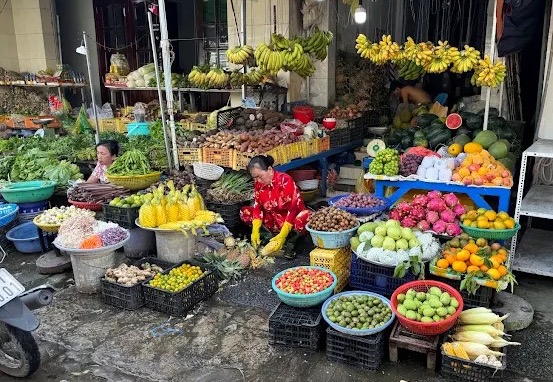
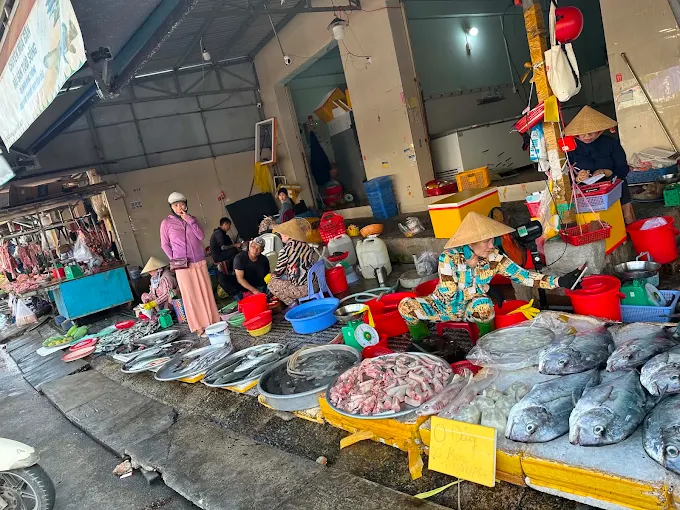
By late morning, many vendors have already sold most of their freshest products. If you’re hoping to experience the market at its liveliest, try arriving between 6:00 and 8:00 AM.
Don’t expect polished shopping malls or souvenir boutiques. These markets exist primarily for local people. That’s exactly what makes them interesting. You’ll hear lively conversations in Vietnamese, watch fish being cleaned just minutes after arriving from the sea, and see generations of families running the same stalls they have operated for years.
Duong Dong Market – The Island’s Beating Heart
If you only have time to visit one traditional market in Phu Quoc, make it Duong Dong Market. Located in the center of Duong Dong Town, this is the island’s largest and busiest market. Every morning, hundreds of locals come here to buy fresh ingredients before work, while restaurants source seafood and vegetables for the day.
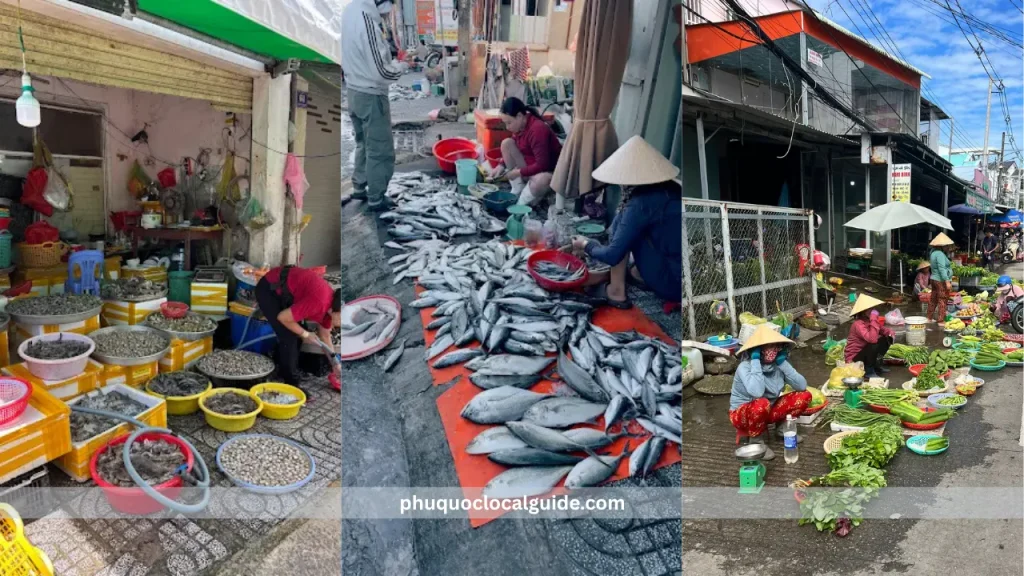
The seafood section is especially fascinating. Fish, squid, shrimp, crabs, shellfish, and countless local species are displayed only hours after being caught. Nearby, fruit vendors sell seasonal tropical fruits, while spice stalls offer locally grown pepper, dried seafood, and bottles of Phu Quoc fish sauce.
I often recommend visitors come here before breakfast rather than after. Walk through the market first, then stop at one of the surrounding eateries for a bowl of bun quay, fish noodle soup, or Vietnamese coffee. It feels much less like sightseeing and much more like becoming part of the island’s morning routine. Its location also makes it easy to combine with a walk to Dinh Cau Temple, Bach Dang Riverside Park, or the nearby fishing harbor.
An Thoi Market – Everyday Life in the South
Visitors staying around Sunset Town, Bai Khem, or Hon Thom often assume they need to travel all the way back to Duong Dong for a local market experience. Actually, An Thoi Market offers something even more authentic.
Serving the southern fishing community, this market feels noticeably quieter and less touristy. Most people shopping here are local families, fishermen, restaurant owners, and workers living around An Thoi.
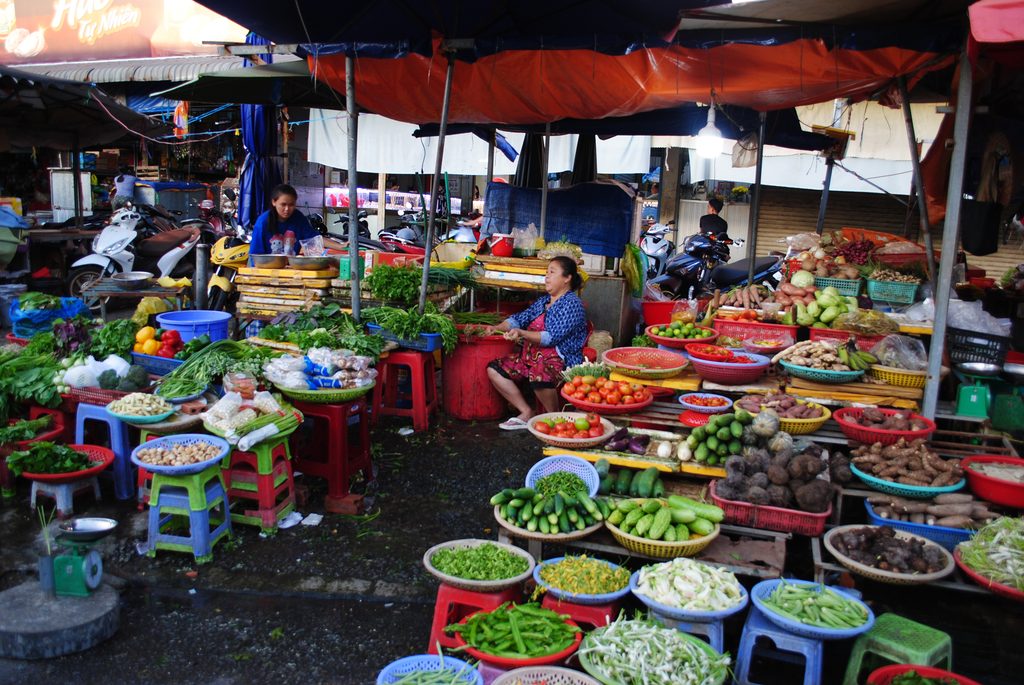
You’ll still find plenty of fresh seafood, vegetables, tropical fruits, and household goods, but the atmosphere is more relaxed than Duong Dong Market. Breakfast stalls are filled with regular customers rather than tour groups, making it an enjoyable place to slow down and observe everyday island life.
If you’re staying in southern Phu Quoc for several days, visiting An Thoi Market is one of the easiest ways to experience a part of the island that many travelers overlook.
Ham Ninh Market – Where the Fishing Village Begins
Ham Ninh is famous for its wooden pier and fresh seafood restaurants, but its small local market deserves attention as well. Rather than being a shopping destination, Ham Ninh Market is a glimpse into the rhythm of a traditional fishing village.
Early in the morning, vendors sell fresh crabs, squid, fish, shrimp, and seasonal seafood brought in from nearby boats. Locals stop by to buy ingredients before heading home, while restaurant owners carefully select the day’s freshest catch.
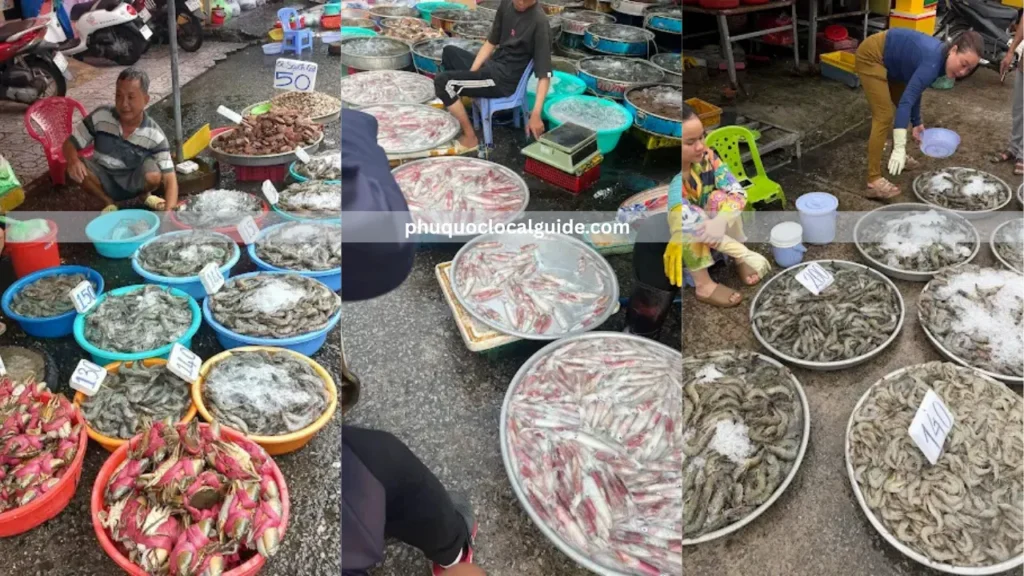
The pace here feels slower than in Duong Dong. Conversations last longer, customers know the vendors personally, and there is little sense of hurry. If you plan to visit Ham Ninh Pier, consider arriving early enough to explore the market first. Together, they offer a much richer understanding of the village than simply stopping for photos at the pier.
Ganh Dau Market – A Quiet Corner of Northern Phu Quoc
Northern Phu Quoc has changed dramatically over the past decade with the arrival of luxury resorts, golf courses, and large entertainment complexes. Yet Ganh Dau Market remains refreshingly local.
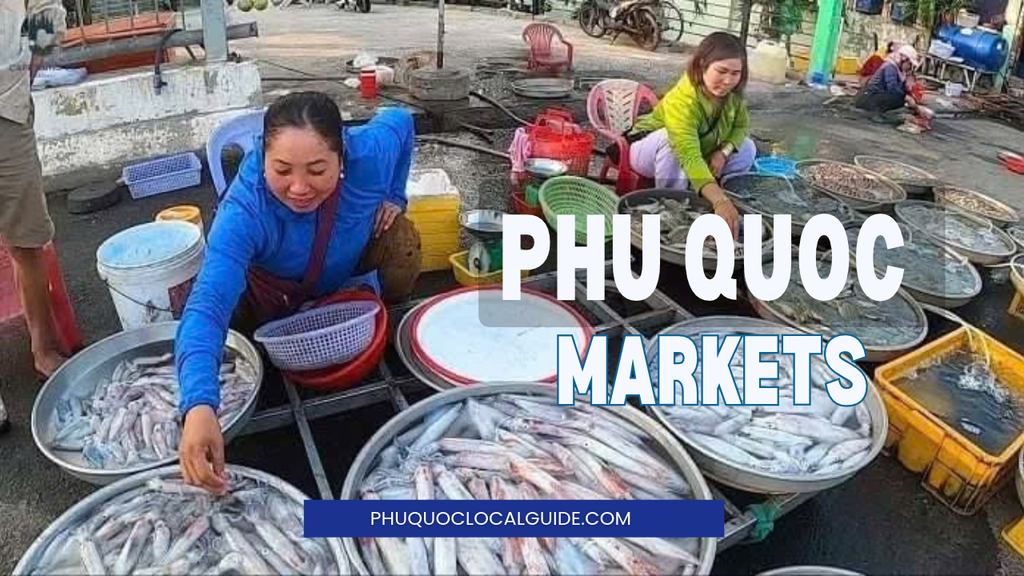
Small in size but full of character, it continues serving nearby fishing families and local residents rather than tourists. The market sells fresh seafood, vegetables, meats, tropical fruits, and simple breakfast dishes, all in a friendly neighborhood atmosphere.
For travelers staying around Ganh Dau, Vinpearl, or Grand World, it’s an excellent place to enjoy breakfast before exploring the northern coast. Unlike the polished resort environment, this market reveals the quieter daily life that has existed here long before tourism arrived.
Cau Sau Market – A Market Most Visitors Never Find
Among all the markets on the island, Cau Sau Market probably receives the fewest international visitors. It isn’t listed on many travel itineraries, nor is it promoted as a tourist attraction. Instead, it’s simply where local people shop.
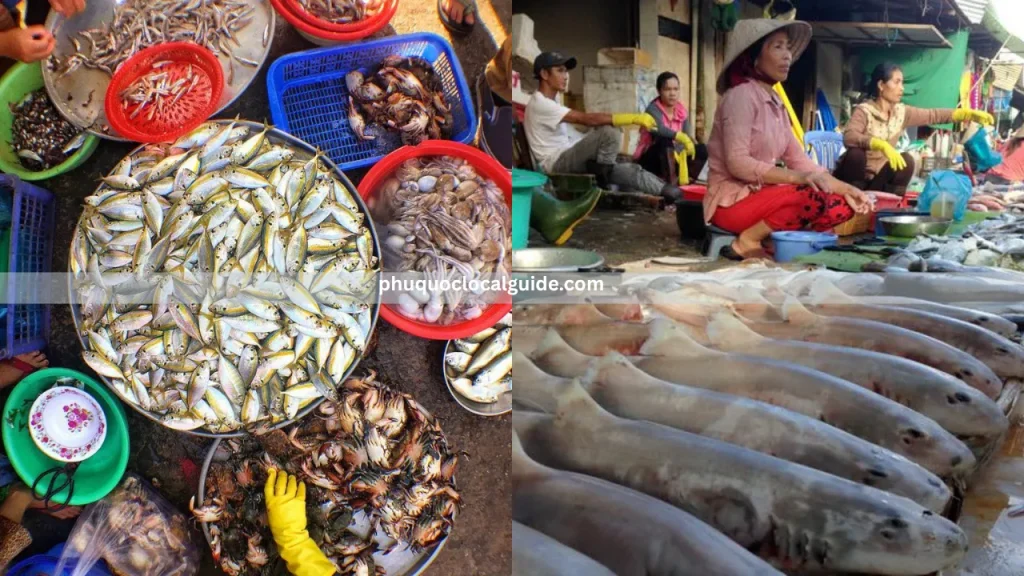
That’s precisely why I like it. There are no souvenir stalls trying to attract visitors. You’ll mostly see residents buying vegetables, seafood, meat, fresh herbs, and breakfast on their way to work. The atmosphere feels completely natural because tourism hasn’t changed the way the market operates. If you’re curious about everyday life rather than famous attractions, Cau Sau Market offers one of the most genuine local experiences on the island.
Which Market Should You Visit?
If you’re staying in different parts of Phu Quoc, here’s a simple guide:
- Duong Dong: Best overall market for first-time visitors, local food, shopping, and sightseeing.
- An Thoi: Perfect for travelers staying in southern Phu Quoc near Sunset Town or Bai Khem.
- Ham Ninh: Best if you’re interested in seafood and traditional fishing village life.
- Ganh Dau: Convenient for visitors staying in northern resorts like Vinpearl or Grand World.
- Cau Sau: Ideal if you want to experience a neighborhood market that tourists rarely visit.
No matter which one you choose, try to arrive early. The island feels completely different before eight in the morning.
Tips for Visiting Local Markets
Traditional markets are easy to explore, but a few simple tips will make your visit more enjoyable:
- Visit between 6:00 and 8:00 AM for the liveliest atmosphere and freshest seafood.
- Bring cash, as many smaller vendors still don’t accept cards.
- Walk slowly and observe rather than rushing through. Much of the experience comes from watching everyday life unfold around you.
- Don’t hesitate to try breakfast at a busy local stall. Long lines usually mean good food.
- If you want to take close-up photos of vendors or fishermen, a smile and a simple gesture asking for permission are always appreciated.
The Best Place to Meet the Real Phu Quoc
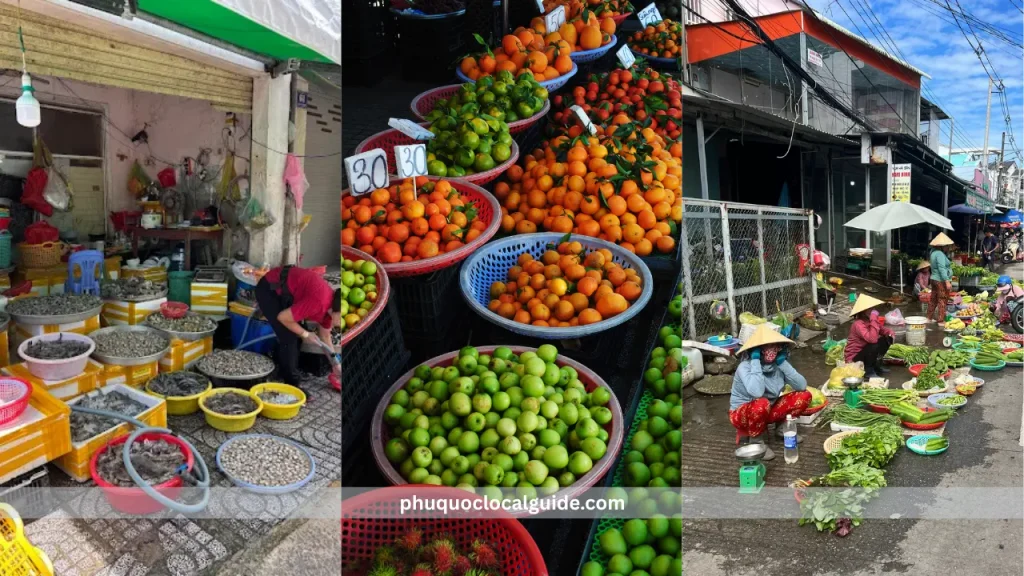
Every destination has places built for tourists, and places built for the people who actually live there. Phu Quoc’s traditional markets belong to the second group.
They aren’t designed to impress visitors with spectacular architecture or famous landmarks. Instead, they quietly preserve the island’s daily rhythm—one shaped by fishing boats, family businesses, fresh ingredients, and neighbors greeting one another each morning.
Whenever friends ask me where they can see the “real” Phu Quoc, I rarely suggest a beach first. I tell them to wake up early, grab a cup of Vietnamese coffee, and spend an hour wandering through one of the island’s local markets. That’s where the island truly begins each day.
Leave a Reply